H1N1 cases are rising in India, with Delhi-NCR, Karnataka and Kerala reporting cases. Know the symptoms, causes, precautions, treatment options and preventive measures during the monsoon season.
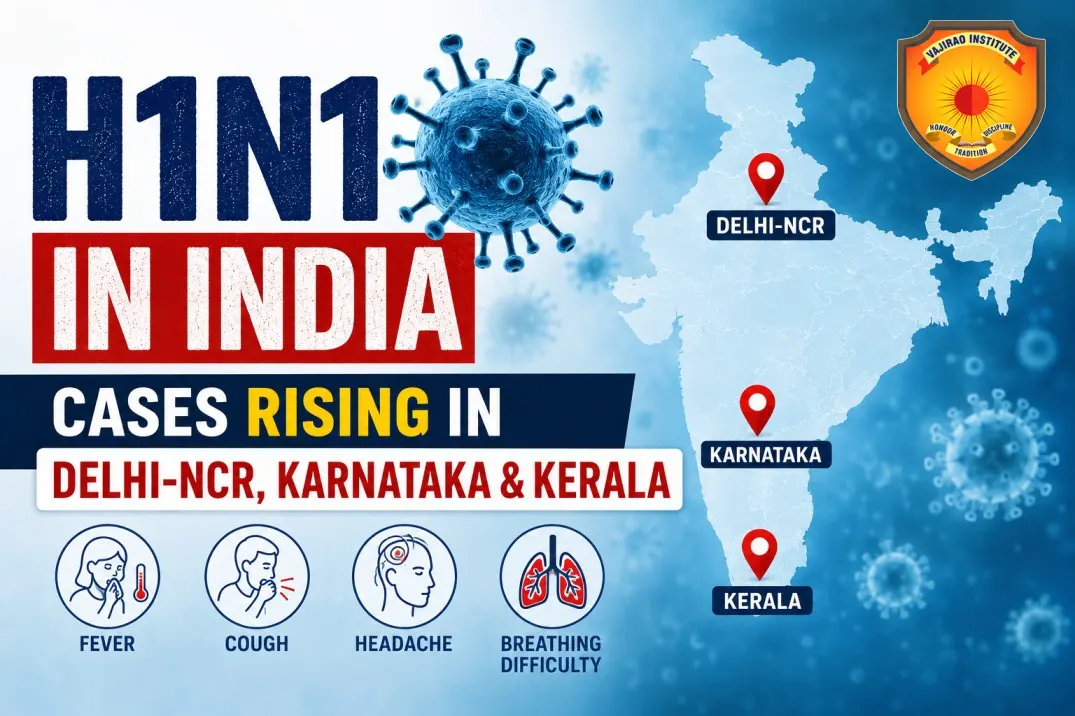
H1N1 cases are increasing in different parts of India during the monsoon season. Delhi has reported 1,777 H1N1 cases in 2026. Karnataka has recorded 4,212 laboratory confirmed influenza cases up to August 22, while Kerala is also seeing a rise in seasonal influenza cases. H1N1 is a type of Influenza A virus and is commonly known as Swine Flu. It can cause fever, cough, sore throat and body pain. Health authorities are keeping a close watch on the situation. People are also being advised to take simple precautions to stay safe. The rise in cases shows the need for proper disease monitoring and timely treatment. Hospitals are also being asked to stay prepared. Experts have said that people should stay careful, but there is no need to panic.
Why in the News H1N1?
H1N1 cases are rising in Delhi-NCR and other parts of India during the monsoon. Delhi has recorded 1,777 H1N1 cases this year. The Prime Minister of India plays an important role in coordinating national health priorities and public health preparedness. Karnataka has also reported a rise in influenza cases across several districts. Kerala is seeing more influenza cases during the monsoon months as well. Health departments are monitoring the situation and keeping hospitals prepared. Experts say that the rise is linked to the seasonal pattern of influenza.
What is Swine Flu (H1N1)?
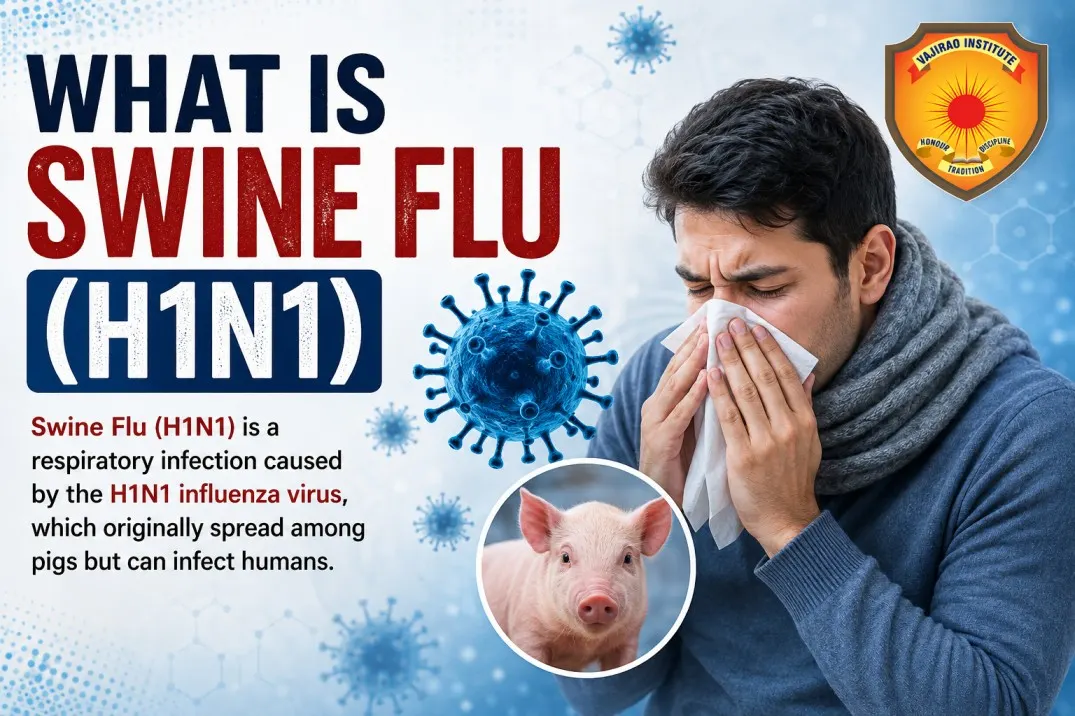
H1N1 stands for Hemagglutinin 1 Neuraminidase 1. H1N1 commonly known as swine flu, is a subtype of the influenza A virus that causes respiratory illness in humans. The name comes from two proteins found on the virus surface:-
- H- Hemagglutinin- This surface protein helps the virus attach to and enter host cells.
- N- Neuraminidase: This protein helps newly formed virus particles leave infected cells and spread to other cells.
- 1 and 1- These numbers identify the specific subtypes of hemagglutinin and neuraminidase present in the virus.
In simple terms, H1N1 describes an Influenza A virus with the H1 hemagglutinin and N1 neuraminidase subtypes. H1N1 is a type of Influenza A virus. It is commonly known as Swine Flu. The virus mainly affects the respiratory system. It can spread when an infected person coughs or sneezes. It can also spread through close contact with an infected person. Common symptoms include fever, cough, sore throat, body pain and tiredness.
Historical Background of H1N1
H1N1 became a major global health concern in 2009, when a new strain of the virus spread to many countries. The World Health Organisation declared a pandemic in June 2009. At that time, it was commonly called Swine Flu. The virus did not disappear after the pandemic. It continued to spread as a seasonal influenza virus in different parts of the world. The strain is now known as A(H1N1)pdm09.
Swine Flu and Common Symptoms of Swine Flu H1N1?
Swine flu is a contagious respiratory infection caused by the Influenza A virus, particularly the H1N1 strain. The virus was originally associated with influenza infections in pigs but can also spread from person to person. It mainly affects the respiratory system and can cause symptoms such as fever, cough, sore throat, body aches, headache, and tiredness. H1N1 infection can cause several flu-like symptoms. The severity may vary from person to person. Common symptoms include:
- Persistent Dry Cough and Sore Throat: A dry cough and throat irritation may continue for several days.
- Body Aches, Severe Fatigue and Headache: Many people experience muscle or body aches along with significant tiredness and headaches.
- Gastrointestinal Symptoms: Some patients, especially children, may experience vomiting or diarrhea along with respiratory symptoms.
These symptoms can overlap with other respiratory infections. Therefore, persistent or severe symptoms should be evaluated by a healthcare professional.
Recommended Precautions
Taking simple precautions can help reduce the spread of H1N1 and lower the risk of complications. People should pay particular attention to hygiene, avoid unnecessary medication, and seek timely medical advice when symptoms become persistent.
- Avoid Self-Medication: Do not take antibiotics for viral flu unless they are specifically prescribed by a qualified doctor. Antibiotics do not treat viral infections.
- Maintain Hygiene and Use Masks: Wash your hands frequently with soap and water. Consider wearing a face mask in crowded or poorly ventilated spaces. Avoid close contact with people who are unwell.
- Protect Vulnerable Groups: Young children, pregnant women, adults aged 65 and above, and people with underlying health conditions may face a higher risk of complications. They should seek medical advice promptly if symptoms are severe or if fever persists for more than 2–3 days.
If breathing difficulties, chest pain, confusion, severe weakness, or other serious symptoms develop, seek urgent medical care.
7 Effective Ways to Avoid Swine Flu H1N1 Infection
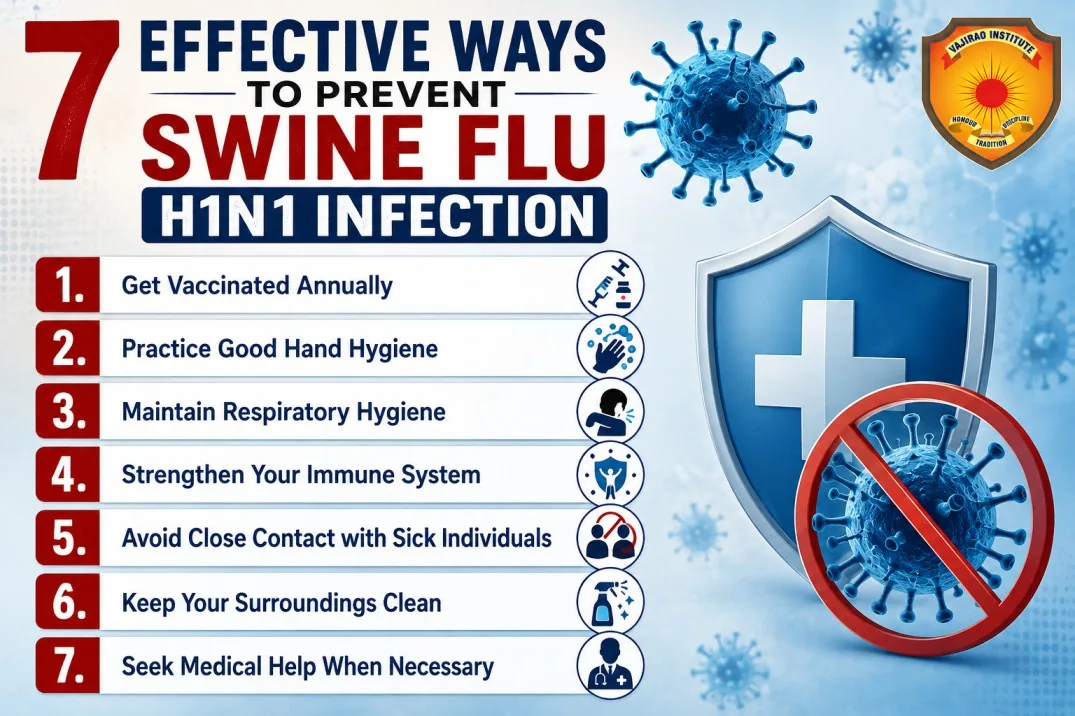
Preventing Swine Flu H1N1 infection requires simple but consistent precautions. Annual vaccination, regular handwashing, proper respiratory hygiene, healthy lifestyle habits, avoiding close contact with sick people, keeping frequently touched surfaces clean, and seeking timely medical advice can help reduce infection risk and prevent complications. Lets a look at the 7 Effective Ways to Prevent H1N1 Infection:-
1. Get Vaccinated Annually
Annual influenza vaccination can help reduce the risk of influenza infection and serious complications. Consult a healthcare professional about vaccination, especially if you belong to a higher-risk group or frequently interact with vulnerable individuals.
2. Practice Good Hand Hygiene
Wash your hands regularly with soap and water for at least 20 seconds to reduce the spread of infections. If soap is unavailable, use an alcohol-based hand sanitizer. These basic hygiene practices also support the objectives of the National Health Mission. Avoid touching your eyes, nose, and mouth with unwashed hands.
3. Maintain Respiratory Hygiene
Cover your mouth and nose with a tissue or your elbow when coughing or sneezing. Dispose of used tissues properly and wash your hands afterward. Wearing a mask in crowded settings can also reduce exposure.
4. Strengthen Your Immune System
Maintain healthy habits to support your body's natural defenses. Eat a balanced diet, drink enough fluids, exercise regularly, and get adequate sleep. Avoid smoking and excessive alcohol consumption, which can negatively affect overall health.
5. Avoid Close Contact with Sick Individuals
Try to maintain distance from people experiencing flu-like symptoms, particularly in crowded or poorly ventilated spaces. If you are unwell, stay home when possible to reduce the risk of spreading the infection to others.
6. Keep Your Surroundings Clean
Regularly clean frequently touched surfaces, such as door handles, phones, keyboards, and tables. Good ventilation can also improve indoor air circulation and reduce the concentration of respiratory particles in enclosed spaces.
7. Seek Medical Help When Necessary
Do not ignore persistent or worsening flu-like symptoms. Consult a healthcare professional if you develop breathing difficulties, prolonged fever, severe weakness, chest pain, or other concerning symptoms, especially if you are at higher risk of complications.
Why do H1N1 Cases Increase During Monsoon?
H1N1 cases increase during the monsoon season because high humidity and fluctuating weather help the virus survive longer in the air and on surfaces. Influenza (Flu) cases often increase during certain months of the year. In Kerala, influenza cases usually rise during the monsoon, especially between May and August. Karnataka also sees a seasonal rise in influenza cases during the July to September period. Changes in weather and high humidity can support the spread of respiratory infections. Crowded places can also make it easier for the virus to spread. The monsoon season can create conditions that make respiratory infections easier to spread. Several factors may contribute to increased transmission:-
- Higher Humidity: Increased moisture can affect how respiratory droplets and airborne particles behave, potentially supporting the spread of respiratory viruses.
- Crowded Indoor Spaces: During heavy rainfall, people often spend more time indoors. Poor ventilation and close contact can increase the chance of person-to-person transmission.
- Seasonal Weather Changes: Frequent changes in temperature and humidity may affect the respiratory system and its natural defenses.
- Virus Survival: Influenza viruses can remain stable for longer under certain environmental conditions. Cooler and humid weather may therefore support their transmission.
What is the Situation in Different States?
Delhi has reported 1,777 H1N1 cases in 2026. Karnataka has recorded 4,212 laboratory-confirmed influenza cases across 32 districts up to August 22. This Karnataka figure is for influenza cases and should not be treated as 4,212 H1N1 cases. Kerala has also reported a rise in seasonal influenza cases during the monsoon. Health authorities in these states are monitoring the situation.
Who is more at Risk?
H1N1 can affect anyone, but some people have a higher risk of serious illness. Young children and older people need to be more careful. Pregnant women may also need extra care. People with asthma, diabetes, heart disease or weak immunity can also face a higher risk. Such people should not ignore flu-like symptoms and should seek medical advice when needed.
What Precautions Can Be Taken?
Simple steps can help reduce the spread of H1N1. People should wash their hands regularly and cover their mouth and nose while coughing or sneezing. People with flu symptoms should avoid close contact with others. It is better to avoid crowded places when feeling unwell. If symptoms become serious or continue for a long time, medical advice should be taken.
What has ICMR Said?
The Indian Council of Medical Research (ICMR) has said that the current rise in H1N1 cases is part of the seasonal influenza pattern. There is no new H1N1 strain behind the current rise. The strain currently circulating is the known H1N1 pdm09 strain. People have therefore been advised to remain careful but not panic. Health authorities will continue to monitor the spread of the virus.
UPSC Relevance
H1N1 is relevant to GS Paper 2, especially topics related to health and public health. It can also be useful for Prelims questions on influenza viruses and infectious diseases. The issue shows the importance of disease monitoring and timely treatment. It also highlights the need for hospitals to remain prepared during seasonal disease outbreaks. Students can connect this topic with public health, disease prevention and healthcare preparedness in India.
Conclusion
The rise of H1N1 cases in Delhi-NCR, Karnataka, and Kerala highlights the importance of staying alert during the flu season. However, simple preventive measures can significantly reduce the risk of infection. Annual vaccination, regular handwashing, respiratory hygiene, healthy habits, avoiding close contact with infected individuals, maintaining clean surroundings, and seeking timely medical care can help protect individuals and communities. Staying informed and following basic precautions remains one of the most effective ways to prevent H1N1 infection and reduce the risk of complications.
Article source- https://timesofindia.indiatimes.com/city/delhi/health-minister-reviews-preparedness-as-h1n1-cases-rise/articleshow/133521255.cms
Frequently Asked Questions (FAQs)
H1N1 is a strain of Influenza A virus that causes respiratory infection. It is commonly called swine flu because the virus was initially associated with influenza viruses found in pigs.
Common symptoms include fever, dry cough, sore throat, headache, body aches, fatigue, and weakness. Some people, particularly children, may also experience vomiting or diarrhea.
Yes, the H1N1 virus (swine flu) is spreading in Delhi. The national capital has reported a sharp surge with nearly 1,777 cases, marking a multi-fold increase compared to last year's monsoon season. Government and health officials have stepped up hospital surveillance and reviews to manage the rising respiratory infections
Monsoon conditions can increase the spread of respiratory infections. People may spend more time in crowded indoor spaces, while changes in temperature and humidity can create favorable conditions for influenza transmission.
You can reduce the risk by getting an annual flu vaccination, washing your hands regularly, maintaining respiratory hygiene, avoiding close contact with sick people, keeping indoor spaces well ventilated, and seeking medical advice when symptoms become severe.
As of August 26, 2026, H1N1 (swine flu) is the main virus drawing attention in Delhi-NCR. Delhi has reported a sharp rise in H1N1 cases, and the current increase is being described as a seasonal influenza surge not a new or more dangerous H1N1 strain.
H1N1 has caused thousands of deaths in India over the years, particularly during major outbreaks. During the 2009 pandemic, India reported around 981 deaths, while later outbreaks also resulted in significant fatalities. The number of deaths varies by year and outbreak.
Yes, Delhi is currently witnessing a rise in H1N1 (swine flu) cases. Health authorities are monitoring the situation and strengthening hospital preparedness. However, officials have said there is no new H1N1 strain and urged people not to panic. Basic precautions and timely medical care can help reduce the risk of complications.