|
Key Highlights
- Crypto winter
- Causes of decline
- Impact on Market
- Global Policy measures
- Blockchain Resilience
|
In October, Bitcoin reached an all-time high, and, since then, a sharp downturn has developed, raising the concern of the start of a crypto winter. The fall can be partly blamed on high interest rates, a tightening of regulation in the market, and a systematic realisation of profits, which reduced momentum in the market. At the same time, the trading volume and the sense of investors demonstrate continuous shrinkage. As long as the blockchain technology stays as robust as it is, the uncertainty that prevails in the household will dictate that a response will only arise after a consistent articulation of a regulatory framework and the retrieval of mainstream confidence.
|
Tips for Aspirants
The article is relevant to the UPSC CSE and State PSCs examinations in that it allows deeper insight into the economic patterns, regulatory issues, and financial viability, and allows for developing critical thought about governance and policy systems.
|
|
Relevant Suggestions for UPSC and State PCS Exam
- As of October 2025, Bitcoin reached a fresh high but then dropped at an alarming rate, which entered into a crypto winter.
- The contraction of the global liquidity and further increase in interest rates were macroeconomic phenomena that lowered the risk appetite of investors.
- Greater authority of the regulatory analysis in leading economies did not provide conclusive results on institutional inflows and retail interest.
- This high volatility did not help matters since aggressive profits and winding up of leveraged positions were sold, and this further led to low prices.
- Reduction of trading volumes, as well as diminishing inflows of venture capital, is an indicator of the loss of confidence in the crypto ecosystem.
- The investor psychology, which changed to extreme fear, has discouraged the market.
- However, blockchain technology has survived volatility and will most likely lead to innovation in the DeFi sector and others.
- The requirement to mitigate the uncertainty surrounding digital asset markets is associated with the need to have policy transparency, high-quality risk management, and portfolio diversification.
|
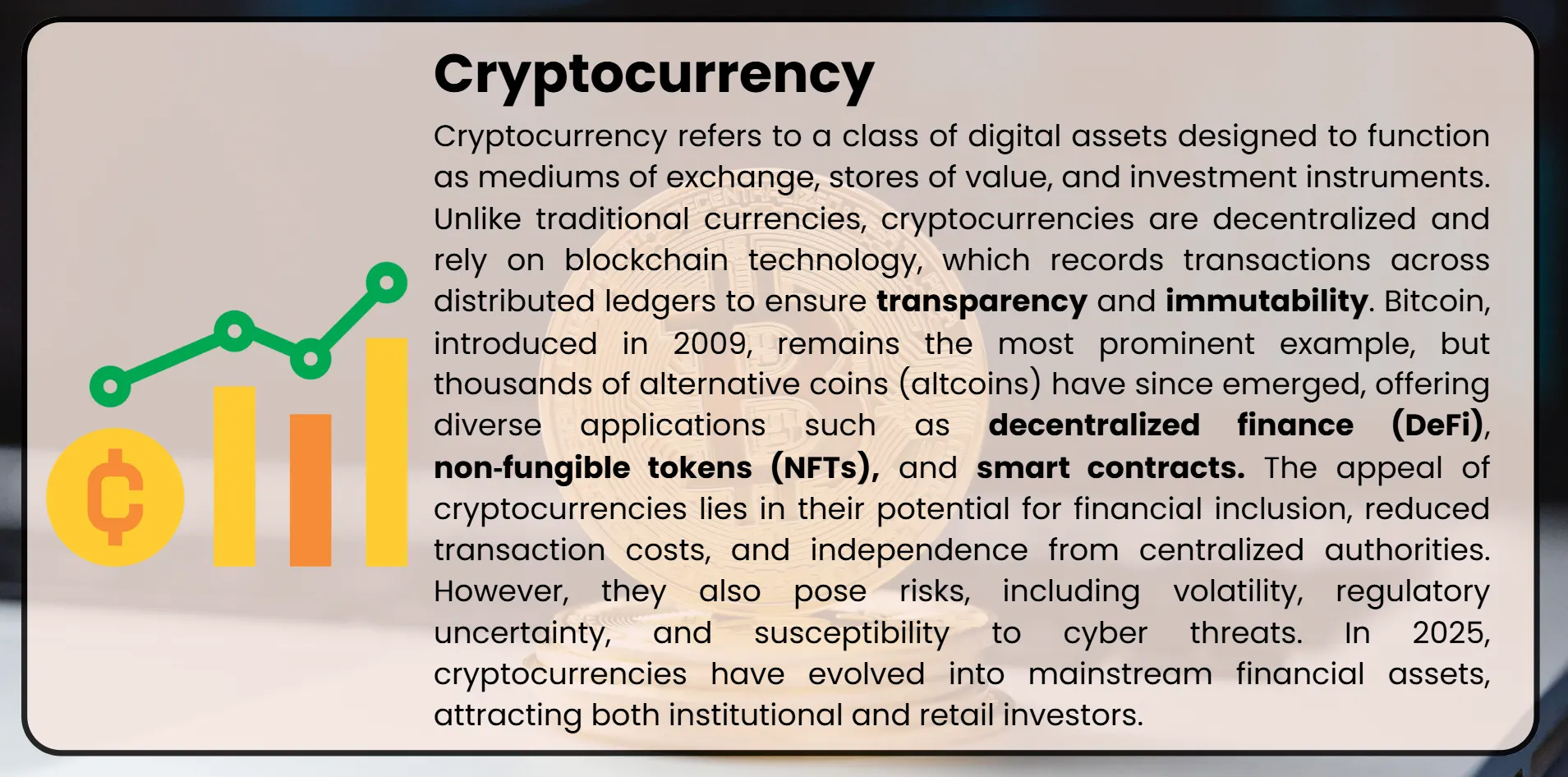
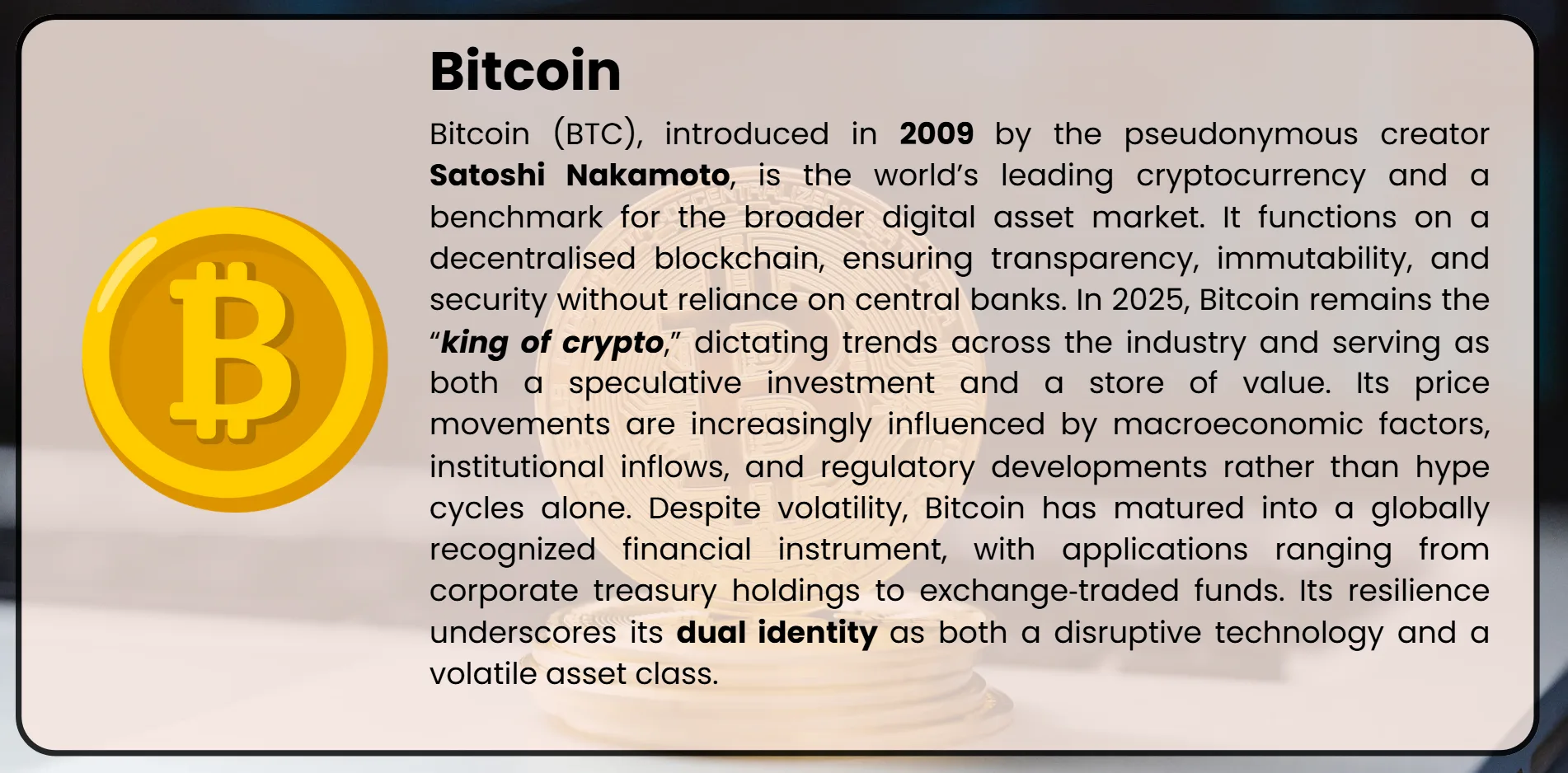
The most popular cryptocurrency in the world is Bitcoin, and it has served as the symbol of innovation in finance and investor sentiments in the sphere of digital assets. An all-time high achieved in October heightened the narratives of institutional acceptance and promised a new wave of optimism in the industry of decentralized finance. However, the resulting reversal has created volatility in the equilibrium of the markets, creating fears of the sustainability of such values and the possibility of a long crypto winter. The term, which is usually used in discussing the industry, is applied to refer to long durations of declining price levels, weakened trading activity, and weakened investor confidence. The recent crash comprises not just intrinsic episodic volatility of cryptocurrencies, but macro-economic factors, arguably including restrictive monetary policy, regulation, and a response to risk characteristics in both institutional and retail investors. These dynamics should be adequately considered to understand the strength of Bitcoin and the crypto-economy in general.The current articleexamines the causal factors preceding the decline of Bitcoin, examines the signs of what can potentially happen in its next crypto winter, and analyses the implications of such events on market actors and regulators.
Background of Bitcoin Surge and Subsidiary Fall
The theatric thrust and fall of Bitcoin to new all-time highs in October 2025 and a sharp decline thereafter is symbolic of the relationship between macro-economic forces, investor behaviour, and regulatory interventions that together form the cryptocurrency markets.
The Surge to Record Highs
Bitcoin prices had hit the mark of 126,000 at the start of October 2025. To a great extent, this appreciation could be explained by the increase in inflows of institutional capital and the growth in optimism in the recent approval of spot exchange-traded funds (ETFs). Analysts found that the rescue was supported by more robust demand on the part of the professional investor and the simultaneous surge of speculative frenzy among the retail investor. The increase was, thus, not unique to the inherent technological wealth in relation to the concept of Bitcoin, but also its changing image as an inflationary security and investment tool in global asset portfolios.
Macroeconomic and Regulatory Environment
The declining trend which came after was highly associated with the tightening of macro-economic conditions. World Central banks tightened interest rates in a bid to taper off inflationary pressures and, in the process, reduced liquidity by tightening interest rates, as well as reducing the appeal of risk assets. Simultaneously, enforcing measures in key jurisdictions, including the existence of stiffer compliance requirements in exchange and an effort to encompass stricter scrutiny over stablecoins, further created uncertainty. The events highlight how cryptocurrencies are vulnerable to the external policy environment and undermine the idea of Bitcoin as an independent financial tool.
Investors and Market Dynamics
One of the most important elements that led to the market contraction was selling by long-term holders with the motive of making their profits. Empirical evidence indicates that the coins that were held back over a long period were brought back to life and sold, which is an indication of a quantifiable change in investor confidence. This selling pressure was accompanied by falling volumes of trade, that is, it reflected a loss of retail zeal. The institutional concern and the retail fatigue produced a positive feedback loop that increased the volatility of the market. These dynamics represent the cyclical nature of the Bitcoin markets as exuberant rallies usually are followed by swift corrections.
Implications of the Decline
The plummet removed close to one trillion of market capitalization of cryptocurrencies, which led to fears of a succeeding crypto winter. The word implies extended periods of lower prices, lack of venture capital investment, and innovation paralysis in the industry. Although some researchers suggest that such massive corrections are consistent with historical growth cycles of Bitcoin, some are warning that they can cause structural weaknesses, in the form of reliance on speculative demand being a serious barrier to a rapid recovery. The episode, therefore, shows the dual nature of Bitcoin, both as a robust technology and a very volatile financial resource.
The Important Forces that underlie the decline
The highly accentuated depreciation of Bitcoin is due to the interplay of structural, macroeconomic, and behavioural factors taking place in October and consequently in the final weeks of that month. The intensive analysis of these drivers is essential to place the current course that the cryptocurrency follows and predict its future development.
Overleveraged Trading and Liquidations
The liquidation of overleveraged positions was an immediate trigger for a decline in the price of Bitcoin. When the indexes of prices started practicing moderation, the margin call resulted in domino liquidation on major exchanges. According to the reports by scholars, traders who used too much leverage caused the market to drop to an estimated eighty-five thousand dollars in mid-2025. This becomes apparent in the sequence in which speculative forms of trading inherently become vulnerable in the crypto markets, with leverage inflating the possible positive and negative returns.
ETF Flows and Institutional Uncertainty
The October rally was also largely supported by positive speculation about spot Bitcoin exchange-traded funds. However, the productivity of price support became distorted due to the slowdown in capital inflows into such funds. The demand, which was initially incited, was later toned down as institutional investors, who in their turn were the first people to initiate the demand, assumed a more reserved attitude in the conditions of growing uncertainty in macroeconomic indicators. This hesitation highlights the dependence of Bitcoin on the continuing institutional involvement and shows the vulnerability of the market when its capital inflows reduce.
Macroeconomic Factors
Widening macroeconomic factors also had overriding impacts. Unclear messages given by the U.S. Federal Reserve about the expected future interest-rate policy caused a decline in risk appetite within financial markets. The rise in the yields of traditional assets made speculative opportunities less appealing and provoked the exodus of money into the world of cryptocurrency. Thus, the fall of Bitcoin shows the tightening of liquidity throughout the world, hence the susceptibility of Bitcoin to monetary-policy shocks.
Market Sentiment and Structural Weaknesses
The mood of investors faded in a very short time during the decline. Conversations in social media, as well as survey data, all served as an indication of rising pessimism, with the trading volumes falling rapidly. Analysts observed that structural inadequacies in market profundity, such as concentration of holdings in the hands of a small group of more-than-large wallets, aggravated volatility. This loss of trust created a loop between itself, with the deteriorating sentiment continuing to push the prices down, causing even greater fears of a long crypto winter.
Crypto-Winter
The further weakening of the Bitcoin market rate has led to the re-emergence of the academic discourse on the possibility of a so-called crypto winter, a period of market stagnancy, loss of trading volumes, and lowered investor confidence running through the digital-asset ecosystem.
Declining Trading Volumes
One of the clear signs that the crypto winter is coming is the steep drop in the trading volumes witnessed in various leading crypto exchanges. The figures as of the 2ndDecember show a significant decrease in the number of daily Bitcoin transactions in comparison to the levels that were at the highs of October, an indicator of decreased trading by retail as well as institutional investors. Reduced liquidity, in its turn, not only indicates a declining enthusiasm but also intensifies volatility, thus making it harder to recover the price.
Less Venture Capital and Institutional Inflows
The other metrics that support this are the slowdown in venture-capital outlays on blockchain-based ventures and diminished capital flows to Bitcoin exchange-traded funds (ETFs). Analysts note that what used to be seen as stabilizing forces in investors are now more cautious about the regulatory uncertainty and macroeconomic contraction, which is undermining their confidence in the industry growth power, a development that recalls the 2018 crypto winter when startup funding collapsed.
Pessimistic Investor Sentiment
Positioning of the investors has become worse than ever, with the current surveys and social-media discussions bearing pessimistic views on the future in the short term. The Fear-and-Greed Index of cryptocurrencies has shifted towards extreme fear, meaning the psychology of the market is strengthening a negative trend. These sentiment trades form an important element of the cryptocurrency market, where root valuation models are often shadowed by movement of attention to the markets.
Implications for the market
The concomitant fall in quantities, weakening of capital flow, and negatively signalled sentiment conditions augur a crypto winter. In addition to the immediate impact of such depletions in terms of price, it can slow innovation and reduce entry into a new market and the robustness of the larger ecosystem. Although the deep-rooted blockchain is resilient in nature, the cycle tightening amplifies the lack of strength of investor confidence and relaxed reliance on the sector on favourable macro conditions.

Implications and Way forward
The current fall of Bitcoin is highly impactful on the investors, regulators, and the financial ecosystem at large. The assessment of these performances and the development of a strategic direction are inalienable to the sustainable development of digital asset markets.
Implications for Investors
The recession highlights the fact that there is a great danger carried when assets of high volatility are over-exposed. Retail traders, who are often driven by the anticipation of the market, make huge losses during market downturns. The institutional investors with their better risk management position have reputational losses in case of underperformance of cryptocurrency allocations. The following observations support the idea that diversification and careful portfolio management are needed to ensure that Bitcoin is an alternative asset and not a core investment.
Policy and Regulatory Issues
The financial meltdown has increased the need for more transparent regulatory frameworks. This is a dilemma facing governments in different jurisdictions in terms of whether to be innovative at the expense of financial stability. An intensified compliance requirement on the exchanges, changes in the taxation policies, and the anti-money laundering rules will likely define the next stage of crypto regulation. A consistent policy environment has the potential to reduce systemic risks and enhance the responsible formulation of innovation. On the other hand, a lack of regulatory transparency will carry the dangers of extending the uncertain conditions and discouraging institutional involvement.
Technological and Market Strength
Although the blockchain technology is volatile in the short term, the technology has a resilient nature. DeFi, supply chain management, and digital identity applications keep on rising. The recession can serve as a purge that eliminates unsustainable practices, though it helps strengthen the ones that have a substantive value. Although its use is uncommon and involves numerous sinister implications, historically, crypto winters have triggered innovation, which means that the existing conditions might likely spawn long-term technological advancement.
Way Forward
A multi-faceted approach is needed for the way ahead. Investors are advised to be disciplined, the regulators need to provide clear instructions, and innovators should focus on utility-focused applications. Importantly, the industry should rise above the speculative cycles in order to gain sustainable integration in the world's finance. This shift will define whether the fall of Bitcoin is a temporary correction or a turning point in the evolution of digital drugs.
Conclusion
The recent drop in Bitcoin after reaching its highest point in October only highlights the volatility of digital assets markets by nature and the subtlety of the interplay between macroeconomic, regulatory, and behavioural factors. Although the concerns about the extended crypto winter and the lack of sustainability in investor confidence and market depth can be noted, the strength of blockchain technology and the prospects of regulatory transparency indicate that recovery is still feasible. This episode specifies the necessary elements of cautious investment practices, diversification of portfolios, and policy mechanisms, which are both ingenious and sturdy. The ultimate outcome of Bitcoin will finally be a stringent examination of the sustainability of cryptocurrency as a feasible element of the international financial system.