Venezuela’s proven oil reserves are estimated at around 303 billion barrels. The largest of any country in the world, significantly surpassing Saudi Arabia’s. These reserves make up about 17 % of the global total and are largely concentrated in the Orinoco Belt, where the oil is mostly heavy crude. It is becoming increasingly prominent as the United States attempts to exercise its control over the oil industry in Venezuela, which has redefined the geopolitics of energy globally and presented a challenge to climate goals and an increase in risk to Indian investments on this front.
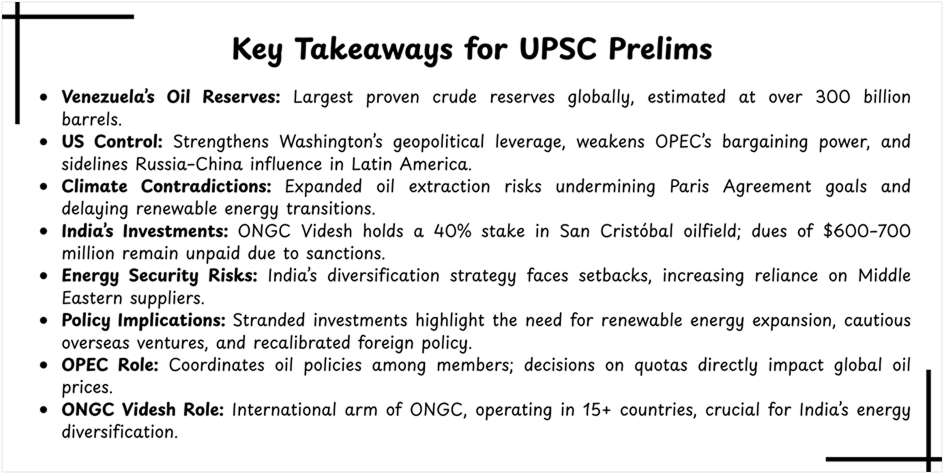
With the largest proven oil deposits in the world, Venezuela has become one of the subject areas of geopolitical rivalry. There are far-reaching consequences of the growing American domination of Venezuela's oil resources, which are not confined to the energy market but to the global balance of power and the path of global climate policy. Although this change redefines the relations between the key players like OPEC, China, and Russia, India is facing quite another challenge, which is the threat of having stranded investments in Venezuelan projects. This intersection of geopolitics, climatic issues, and economic susceptibility is worth critical analysis.
How Geopolitical Realignment is Reshaping the World
Geopolitical realignment refers to a profound transformation in global power structures, marked by the shift from a US-led unipolar post Cold War order to an increasingly multipolar world. Rising powers such as China, India, and Russia are reshaping alliances, trade patterns, and security frameworks. This transition is generating instability, new power blocssuch as the US-EU-Canada alignment around energy and technology—and growing challenges to established norms, compelling states and businesses to navigate emerging risks including sanctions, tariffs, and regional conflicts.The geopolitical realignment after the US took over oil reserves in Venezuela is an indicator of the start of a radical change in global energy politics. The major producer of crude oil in the world was once Venezuela; however, the country has faced a reduction in its production as a result of sanctions and the destruction of infrastructure.
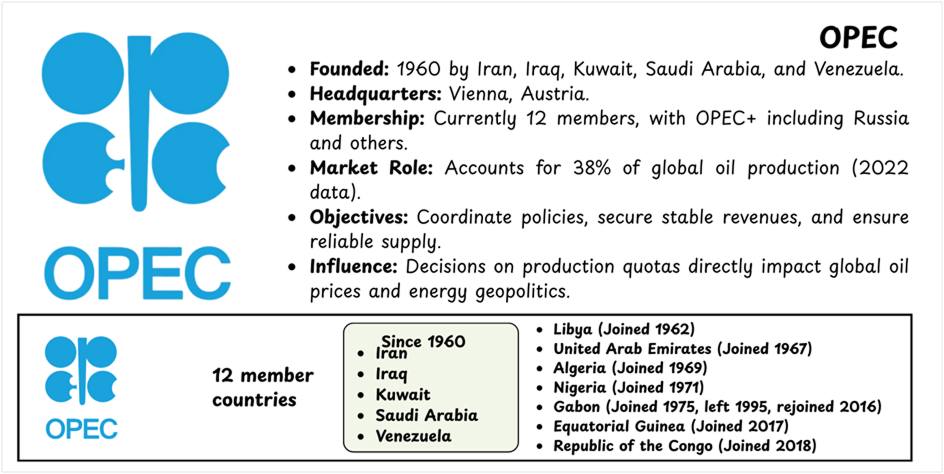
- Change in the Power Balance: The US hegemony diminishes the bargaining capabilities of OPEC and the Russian-Chinese in Latin America.
- Energy Market Effect: Venezuela has a reserve in excess of 300 billion barrels, but production dropped to less than 700,000 barrels per day in 2025, which is a small fraction of the capacity.
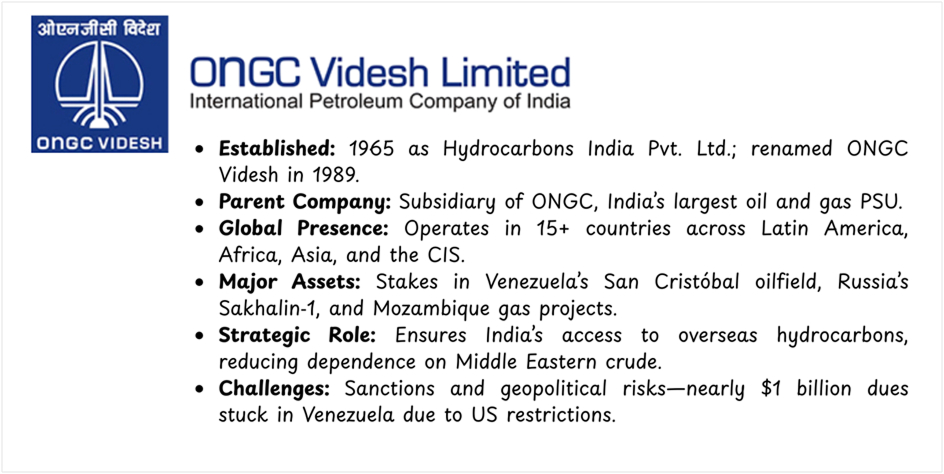
- Stakes of India: ONGC Videsh has a 40 percent stake in the San Cristobal oil field, and it has been denied almost 1billion dues because of sanctions.
- Strategic Implications: US-led restructuring may open the door to Indian dues but increase the dependence on the policy decisions of Washington.
The Climate Policy Contradictions
The policy issues involving climate change inequality become particularly acute in the context of the US occupation of the oil reserves in Venezuela. Although Washington presents this intervention as the process of stabilizing the global energy markets, the intervention is dangerous to international commitments to climate change because of reinforcing the dependence on fossil fuels. This is the contradiction in that it is part of encouraging energy security by increasing oil production, and at the same time commitment to fast-track decarbonisation using international rules like the Paris Agreement.
Fossil Fuel Lock-In
Venezuela is the biggest country globally, with more than 300 billion barrels of proven reserves. Additional mining might stall renewable changes.
Emission Risks
Reworking the oil industry in Venezuela can result in a higher carbon footprint in the world, which is against the commitment to the environment on greenhouse gases.
Inconsistency of Policies
US climate policy bucks clean energy, but outlay on heavy crude is inconsistent with the story.
Global Spillovers
With these inconsistencies, collective action on climate is a complicating route for countries like India between energy security and sustainability.
This conflict provides an example of how geopolitical goals frequently take precedence over climate objectives, and the contradiction in the energy policy of the world is systemic.
US-Venezuela Oil Conflict Impact on India
In January 2026, tensions between the United States and Venezuela culminated in a direct U.S. military intervention—part of an escalating campaign of pressure and strikes that year—resulting in the capture of Venezuelan President Nicolás Maduro and his wife in a dramatic operation. While the intervention, linked to a broader offensive dubbed Operation Southern Spear, dominated global headlines and underscored geopolitical stakes around security and energy, its immediate impact on global oil supplies was more limited than many early reports suggested.The strategic worry of an Indian situation regarding the U.S. domination of oil in Venezuela is the result of a two-fold urge of the nation to obtain an energy source and geopolitical liberty. Although India has always aimed at the diversification of its energy imports, the investments it makes into Venezuela are now facing uncertainty because of the sanctions and the change in power balance. Such a predicament highlights the dangers of international business in politically unstable areas.
Investment Exposure
ONGC Videsh has a 40 percent stake in the San Villas Cristobal oil field, but the payments that should have been made of about USD 600-700million are outstanding, which is due to U.S. sanctions.
Geopolitical Limitations
The United States has dominated Venezuela, making it hard to negotiate with Caracas directly, leaving India with limited strategic autonomy.
Risks associated with energy security
The dependency of India on the Latin American crude is compromised, and the process triggers a further inclusion toward the Middle Eastern suppliers.
Policy Crisis
This controversy brings up the fact that India needs to re-measure its overseas energy policy, either through diversification or through renewable development.
Policy and Economic Implications for India
Economic and policy consequences on India of the U.S. control of the Venezuelan oil reserves are significant, particularly in the case of stranded investments and energy diversification. The foreign investments of India in Venezuela, which were viewed as an avenue of achieving long-term crude oil supplies, are under greater clouds with new sanctions and rearrangement of geopolitical options. This is forcing policymakers to review the approaches towards energy security and climate policy.
Stranded Investment
ONGC Videsh has an investment in the Venezuela oil projects, which has led to approximately USD 600-700 million worth of unpaid debts, hence a sign of financial risk.
Energy Dependence
Reduced access toVenezuela increases dependence on suppliers in the Middle East, lessening the range of diversification.
Reorientation of the Policy
India needs to reinforce investments in renewable sources to avert the threat of unstable geopolitics of fossil fuels.
Strategic Autonomy
This episode highlights the necessity of a deliberative attitude toward international energy ventures and increasing the emphasis on the aim of environmentally friendly development.
Conclusion
There is geopolitical, climatic, and economic vulnerability dependency in the changing U.S. control of Venezuelan oil. In the case of India, the episode underscores the dangers of foreign energy projects and the need to reassess policy to move towards diversification and renewables. Finally, the future focus concerning energy security and environmental sustainability balance is the key to the protection of national interests in the unstable international system.
Frequently asked questionsFrequently asked questions
How Geopolitical Realignment is Reshaping the World?
Geopolitical realignment refers to a profound transformation in global power structures, marked by the shift from a US-led unipolar post Cold War order to an increasingly multipolar world. Rising powers such as China, India, and Russia are reshaping alliances, trade patterns, and security frameworks. This transition is generating instability, new power blocssuch as the US-EU-Canada alignment around energy and technology—and growing challenges to established norms, compelling states and businesses to navigate emerging risks including sanctions, tariffs, and regional conflicts.The geopolitical realignment after the US took over oil reserves in Venezuela is an indicator of the start of a radical change in global energy politics. The major producer of crude oil in the world was once Venezuela; however, the country has faced a reduction in its production as a result of sanctions and the destruction of infrastructure.
US-Venezuela Oil Conflict Impact on India?
In January 2026, tensions between the United States and Venezuela culminated in a direct U.S. military intervention—part of an escalating campaign of pressure and strikes that year—resulting in the capture of Venezuelan President Nicolás Maduro and his wife in a dramatic operation. While the intervention, linked to a broader offensive dubbed Operation Southern Spear, dominated global headlines and underscored geopolitical stakes around security and energy, its immediate impact on global oil supplies was more limited than many early reports suggested.The strategic worry of an Indian situation regarding the U.S. domination of oil in Venezuela is the result of a two-fold urge of the nation to obtain an energy source and geopolitical liberty. Although India has always aimed at the diversification of its energy imports, the investments it makes into Venezuela are now facing uncertainty because of the sanctions and the change in power balance. Such a predicament highlights the dangers of international business in politically unstable areas.
Policy and Economic Implications for India?
Economic and policy consequences on India of the U.S. control of the Venezuelan oil reserves are significant, particularly in the case of stranded investments and energy diversification. The foreign investments of India in Venezuela, which were viewed as an avenue of achieving long-term crude oil supplies, are under greater clouds with new sanctions and rearrangement of geopolitical options. This is forcing policymakers to review the approaches towards energy security and climate policy.