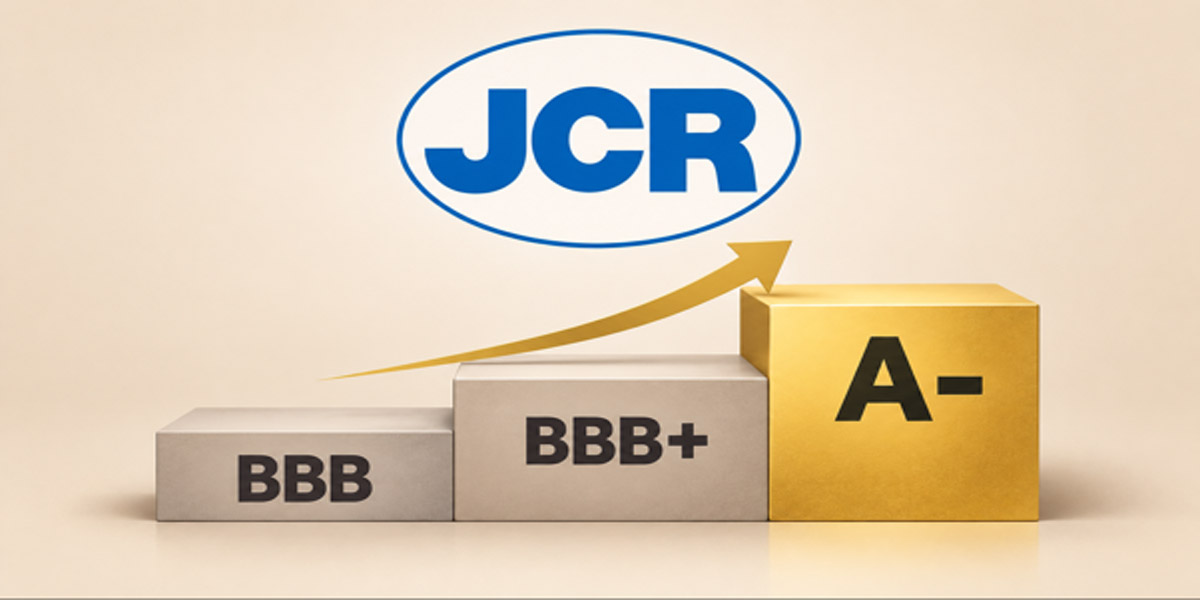
On September 2 2026, the Japan credit rating agency (JCR) upgraded India’s long-term sovereign credit rating from BBB+ to A-, with a stable outlook. This is the first time in 35 years that India has received an ‘A’ category rating from an international credit rating agency.
Why in the News?
- Japan Credit Rating Agency (JCRA) upgraded India’s sovereign credit rating from ‘BBB+’ to ‘A-’.
- This is the first time in over 35 years that India has received an ‘A’ grade.
- The last time India was in the ‘A’ category was January 1988.
- The upgrade can influence India’s future borrowing costs and debt servicing burden.
What is a Sovereign Credit Rating?
A sovereign credit rating is an independent evaluation of a national government's creditworthiness and financial risk. It measures a country's ability and willingness to repay its debts on time.
- It measures a country’s ability and willingness to repay its debt.
- It reflects the risk of lending to a sovereign and the likelihood of repayment.
- Ratings are assigned to specific categories of government debt, such as:
- Foreign Currency Long-Term Debt
- Local Currency Long-Term Debt
Major Rating Agencies
India is rated by seven agencies:
- S&P Global Ratings
- Moody’s Investors Service
- Fitch Ratings
- Morningstar DBRS
- JCRA
- Rating and Investment Information (R&I)
- CareEdge Ratings
The three major globally recognised agencies are S&P, Moody’s and Fitch.
Watch : India ‘A” Rating Returns After 35 Years
Credit Rating Scale
The Japan Credit Rating Agency (JCRA) upgraded India’s sovereign credit rating from BBB+ to A-, assigning a stable outlook and returning India to the ‘A’ grade category for the first time since 1988.
- AAA / Aaa – Highest rating
- AA
- A
- BBB
- BB and below – Higher credit risk
- D – Default
Higher rating = Lower perceived default risk
Why is the Rating Important?
1. Lower Borrowing Cost
- A higher rating signals lower sovereign default risk.
- Investors may therefore demand lower interest rates when lending to India.
2. Lower Debt-Servicing Burden
- Cheaper borrowing means lower expenditure on interest payments and debt servicing.
- This can leave more government resources available for:
- Infrastructure
- Public services
- Productive investment
3. Investor Confidence
- An improved rating can strengthen perceptions of India's:
- Macroeconomic stability
- Financial system
- Growth prospects
Why Did JCRA Upgrade India?
The Japan Credit Rating Agency (JCRA) upgraded India’s sovereign credit rating from BBB+ to A-, with a stable outlook, citing sustained strong economic growth and a significantly strengthened financial system. JCRA highlighted three major factors:
1. Strong Economic Growth
- India has maintained growth of around 7%.
- Growth has been supported by:
- Private consumption
- Public investment
2. Growth-Oriented Government Policies
- JCRA recognised the government policies aimed at sustaining economic growth.
3. Stronger Financial System
- Improvement in the strength of India's financial system contributed to the upgrade.
India’s Recent Rating Upgrades
The JCRA upgrade is part of a broader sequence of improvements:
| Agency | Year | Earlier Rating | New Rating |
|---|
| Morningstar DBRS | 2025 | BBB (low) | BBB |
| S&P Global Ratings | 2025 | BBB- | BBB |
| R&I | 2025 | BBB | BBB+ |
| JCRA | 2026 | BBB+ | A- |
The S&P upgrade in August 2025 was particularly significant as it was the agency’s first upgrade of India in 18 years.
Significance for India
- Cheaper sovereign borrowing can reduce the government's interest burden.
- May improve access to international capital.
- Strengthens investor confidence in India's economic fundamentals.
- An ‘A’ rating represents an improvement from India's historically near-junk-grade position.
- However, the rating is an assessment of creditworthiness, not a comprehensive ranking of the overall Indian economy.
Conclusion
JCR also highlighted strong domestic consumption, public investment in infrastructure and India’s improved external financial position. Development is important because a higher credit rating indicates lower perceived risk for investors and lenders. India has returned to the ‘A’ category of sovereign credit ratings after more than 35 years. The Japan Credit Rating Agency (JCR) upgraded India's long term sovereign credit rating from BBB+ to A-, with a stable outlook. India was last in the ‘A’ category in 1988. The upgrade reflects improvement in India’s economic growth, fiscal management, banking sector and financial stability. It can strengthen investor confidence and may help the government and Indian companies access international funds on better terms. However, the upgrade is from JCR, and India’s ratings from major agencies such as S&P, Moody and Fitch remain in the investment-grade BBB/Baa range. Overall the upgrade reflects India’s growing economic strength and improved financial resilience.
Test your understanding
Questions from this article
Prelims practiceQuestion: With reference to India ‘A” Rating Returns After 35 Years- Highlighting Major Structural Reform, consider the following statements:
- On September 2 2026, the Japan credit rating agency (JCR) upgraded India’s long-term sovereign credit rating from BBB+ to A-, with a stable outlook
- This is the first time in 35 years that India has received an ‘A’ category rating from an international credit rating agency
Which of the statements given above is/are correct?
- 1 only
- 2 only
- Both 1 and 2
- Neither 1 nor 2
View answer and explanation
Suggested answer: (c) Both 1 and 2
Explanation: India has returned an ‘A’ credit rating after 35 years, marking a major boost to its economic credibility. Explore what the upgraded rating means for India’s economy, investors, global standing, borrowing costs and future growth prospects
Mains practiceQuestion: Discuss India ‘A” Rating Returns After 35 Years- Highlighting Major Structural Reform with reference to Why in the News?, What is a Sovereign Credit Rating?, Major Rating Agencies and Credit Rating Scale. (150 words, 10 marks)
View answer-writing approach
Answer approach:
- Introduce the topic using its meaning and context.
- Explain Why in the News?, What is a Sovereign Credit Rating?, Major Rating Agencies and Credit Rating Scale.
- Use facts and examples given in the article.
- Conclude with a balanced way forward.
Frequently asked questionsFrequently asked questions
What is India ‘A” Rating Returns After 35 Years- Highlighting Major Structural Reform?
India has returned an ‘A’ credit rating after 35 years, marking a major boost to its economic credibility. Explore what the upgraded rating means for India’s economy, investors, global standing, borrowing costs and future growth prospects
Why is India ‘A” Rating Returns After 35 Years- Highlighting Major Structural Reform relevant for UPSC preparation?
This is the first time in 35 years that India has received an ‘A’ category rating from an international credit rating agency
What key points should aspirants remember about India ‘A” Rating Returns After 35 Years- Highlighting Major Structural Reform?
The article covers Why in the News?, What is a Sovereign Credit Rating?, Major Rating Agencies and Credit Rating Scale.