UPSC Current Affairs
Western Equine Encephalitis outbreak in Argentina
Context: Last year, the International Health Regulations National Focal Point (IHR NFP) in Argentina alerted the Pan American Health Organization/World Health Organization (PAHO/WHO) of a human case of Western Equine Encephalitis Virus (WEEV) infection. Since then the outbreak has since grown to 21 confirmed new cases of the infection in Argentina. The last cases of human infections in Argentina were reported in 1982, 1983, and an isolated event in 1996.
VRAuthor Desk
2 min read
Context: Last year, the International Health Regulations National Focal Point (IHR NFP) in Argentina alerted the Pan American Health Organization/World Health Organization (PAHO/WHO) of a human case of Western Equine Encephalitis Virus (WEEV) infection. Since then the outbreak has since grown to 21 confirmed new cases of the infection in Argentina. The last cases of human infections in Argentina were reported in 1982, 1983, and an isolated event in 1996.
Context:
- Last year, the International Health Regulations National Focal Point (IHR NFP) in Argentina alerted the Pan American Health Organization/World Health Organization (PAHO/WHO) of a human case of Western Equine Encephalitis Virus (WEEV) infection.
- Since then the outbreak has since grown to 21 confirmed new cases of the infection in Argentina.
- The last cases of human infections in Argentina were reported in 1982, 1983, and an isolated event in 1996.
About Western Equine Encephalitis:
- Western Equine Encephalitis is a mosquitoborne infection which is caused by the WEEV and it belongs to the Togaviridae family of viruses.
- The virus has nearly 11.5 kilobases long singlestranded RNA genome.
- The virus is a recombinant of the eastern equine encephalitis virus and a Sindbislike virus.
- Passerine birds are thought to be the reservoir and equine species are intermediate hosts.
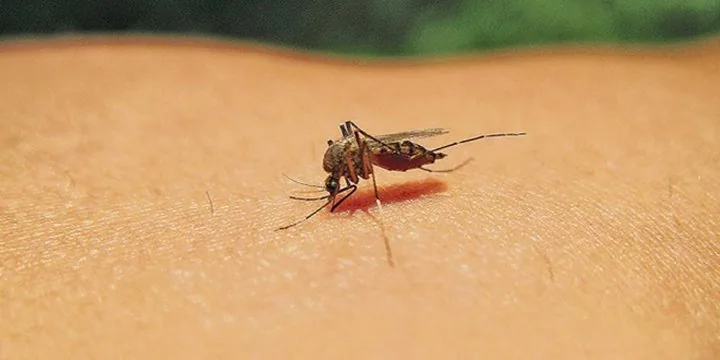
- The primary mode of transmission of the infection to humans is through mosquitoes which act as vectors for the virus transmission.
- While most of the infections are asymptomatic, the infection may lead to severe consequences in the rare cases.
- Prelims: Key facts, institutions, locations and terminology in the article.
- Mains: Connect the topic with Polity & Governance, Health.
- Revision: Use the article headings to prepare concise notes and answer-writing points.
Test your understanding
Questions from this article
Prelims practiceWith reference to Western Equine Encephalitis outbreak in Argentina, consider the following statements:
- Last year, the International Health Regulations National Focal Point (IHR NFP) in Argentina alerted the Pan American Health Organization/World Health Organization (PAHO/WHO) of a human case of Western Equine Encephalitis…
- Since then the outbreak has since grown to 21 confirmed new cases of the infection in Argentina.
- The last cases of human infections in Argentina were reported in 1982, 1983, and an isolated event in 1996.
Which of the statements given above are correct?
- 1 and 2 only
- 2 and 3 only
- 1 and 3 only
- 1, 2 and 3
View answer
Answer: (d) 1, 2 and 3. All three statements are drawn from the article.
Mains practiceDiscuss the background, key issues and significance of Western Equine Encephalitis outbreak in Argentina for India.
Answer in 250 words.
View answer approach
- Context:
- About Western Equine Encephalitis:
- Background and context
- Key facts and institutional framework
- Significance and way forward
Frequently asked questionsFrequently asked questions
Why is Western Equine Encephalitis Outbreak In Argentina in the news?
Context: Last year, the International Health Regulations National Focal Point (IHR NFP) in Argentina alerted the Pan American Health Organization/World Health Organization (PAHO/WHO) of a human case of Western Equine Encephalitis Virus (WEEV) infection. Since then the outbreak has since grown to 21 confirmed new cases of the infection in Argentina.
What are the key facts about Western Equine Encephalitis Outbreak In Argentina?
The last cases of human infections in Argentina were reported in 1982, 1983, and an isolated event in 1996. About Western Equine Encephalitis: Western Equine Encephalitis is a mosquitoborne infection which is caused by the WEEV and it belongs to the Togaviridae family of viruses. The virus has nearly 11.5 kilobases long singlestranded RNA genome.
Why is Western Equine Encephalitis Outbreak In Argentina important for UPSC preparation?
The topic connects current developments with Polity & Governance, Health and is relevant for both objective revision and analytical answer writing.