UPSC Current Affairs
The new made-in-India EV charging standard for bikes and scooters: here’s why it matters
What is special about the new EV charging standard for scooters and bikes? The indigenously developed charging standard is the first in the world that combines alternating current (AC) and direct current (DC) for LEVs. Combined AC and DC charging standards for electric four-wheelers are already in use around the world, like the Combined Charging System (CCS) standard that is widely used in Europe.
VRAuthor Desk
3 min read
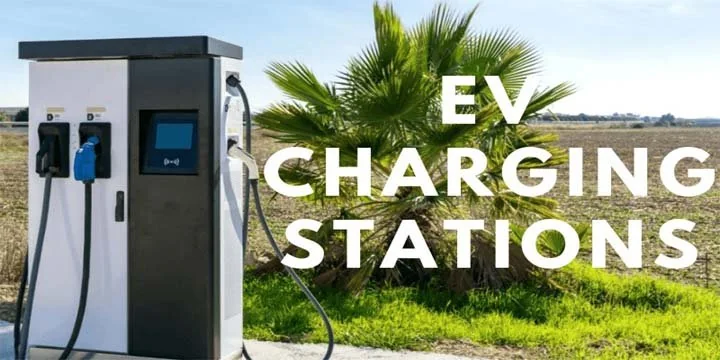
What is special about the new EV charging standard for scooters and bikes? The indigenously developed charging standard is the first in the world that combines alternating current (AC) and direct current (DC) for LEVs. Combined AC and DC charging standards for electric four-wheelers are already in use around the world, like the Combined Charging System (CCS) standard that is widely used in Europe.
What is special about the new EV charging standard for scooters and bikes?
- The indigenously developed charging standard is the first in the world that combines alternating current (AC) and direct current (DC) for LEVs. Combined AC and DC charging standards for electric four-wheelers are already in use around the world, like the Combined Charging System (CCS) standard that is widely used in Europe.
- A combined charging standard is attractive because of its interoperability — which means that it can be used by different kinds of EV models and charging infrastructure providers.
But why is a national standard needed for India?
- In India, EV makers are not mandated to follow a specific standard for charging connectors. Thus, electric two-wheeler makers such as Ola Electric, Ather Energy, and Ultraviolette Automotive, all use different charging standards for their EVs, much like how Apple phones until recently used a lightning port and Android phones use a USB Type-C port.
- Unlike with phones, however, too many charging standards for EVs makes it difficult for public charging stations to cater to each individual type, thus adding to range anxiety — the fear that the vehicle would run out of charge, and there will be nowhere to recharge it.
- Even now, although the new approved standard fixes the problem of different standards for AC and DC charging by creating a combined standard, it does not mandate EV makers to use a uniform standard that can help address range anxiety and promote faster adoption of EVs.
What is the situation in other countries around the world?
CHINA:
- The world’s largest electric car market in terms of both sales and vehicles on the road, uses a national standard for EV charging connectors that is called GB/T. The national standard, along with one of the densest networks of charging stations in the world, has allowed China to productively address concerns around range anxiety.
UNITED STATES:
- The US does not have a national standard, but EV makers have been collaborating to push for some degree of standardisation.
- For instance, Ford and General Motors (GM) are adopting the North American Charging Standard (NACS) developed by Tesla, so that their EVs can access Tesla’s network of fast chargers across North America.
EUROPE:
- In Europe, CCS is the predominant charging connector standard, and is also a European Union (EU) requirement for EV charging networks.
- For its European market, Tesla equips all its cars with CCS charging ports, and also integrates CCS in its public chargers, known as Superchargers, which can be accessed by both Tesla and other EV drivers.
JAPAN:
- Japan’s predominant charging standard is called CHAdeMO, a charging standard developed in 2010. CHAdeMO is being phased out in North America, where the Nissan Leaf and Mitsubishi Outlander PHEV are among the few EVs that are only compatible with CHAdeMO charging stations.
Conclusion- Harmonization in charging standards will ensure ease of operation of e-vehicles for customers . It will provide impetus to the e-vehicle industry by increasing demand going forward.
Syllabus- GS-3; Renewable Energy
Source- Indian Express
- Prelims: Key facts, institutions, locations and terminology in the article.
- Mains: Connect the topic with Environment, Polity & Governance.
- Revision: Use the article headings to prepare concise notes and answer-writing points.
Test your understanding
Questions from this article
Prelims practiceWith reference to The new made-in-India EV charging standard for bikes and scooters: here’s why it matters, consider the following statements:
- The indigenously developed charging standard is the first in the world that combines alternating current (AC) and direct current (DC) for LEVs. Combined AC and DC charging standards for electric four-wheelers are already…
- A combined charging standard is attractive because of its interoperability — which means that it can be used by different kinds of EV models and charging infrastructure providers.
- In India, EV makers are not mandated to follow a specific standard for charging connectors. Thus, electric two-wheeler makers such as Ola Electric, Ather Energy, and Ultraviolette Automotive, all use different charging…
Which of the statements given above are correct?
- 1 and 2 only
- 2 and 3 only
- 1 and 3 only
- 1, 2 and 3
View answer
Answer: (d) 1, 2 and 3. All three statements are drawn from the article.
Mains practiceDiscuss the background, key issues and significance of The new made-in-India EV charging standard for bikes and scooters: here’s why it matters for India.
Answer in 250 words.
View answer approach
- What is special about the new EV charging standard for scooters and bikes?
- But why is a national standard needed for India?
- What is the situation in other countries around the world?
- CHINA:
- UNITED STATES:
Frequently asked questionsFrequently asked questions
Why is The New Made-In-India Ev Charging Standard For Bikes And Scooters: Here’S Why It Matters in the news?
What is special about the new EV charging standard for scooters and bikes? The indigenously developed charging standard is the first in the world that combines alternating current (AC) and direct current (DC) for LEVs.
What are the key facts about The New Made-In-India Ev Charging Standard For Bikes And Scooters: Here’S Why It Matters?
Combined AC and DC charging standards for electric four-wheelers are already in use around the world, like the Combined Charging System (CCS) standard that is widely used in Europe. A combined charging standard is attractive because of its interoperability — which means that it can be used by different kinds of EV models and charging infrastructure providers. But why is a national standard needed for India?
Why is The New Made-In-India Ev Charging Standard For Bikes And Scooters: Here’S Why It Matters important for UPSC preparation?
The topic connects current developments with Environment, Polity & Governance and is relevant for both objective revision and analytical answer writing.