UPSC Current Affairs
Supreme Court order on telcos’ licence fee tax
Context: In a blow to telecom companies in the country, the Supreme Court has held that payment of entry fee as well as variable annual licence fee made by telcos will be considered capital expenditure and not revenue expenditure, and taxed accordingly. The decision could bring in additional tax liabilities for telecom companies – especially for older telcos Bharti Airtel and Vodafone Idea – to the tune of $1 billion in the current fiscal year, according to industry estimates. It is worth noting that the Supreme Court’s order has not clarified whether the changes to the accounting structure will have to be made on a retrospective basis.
VRAuthor Desk
2 min read
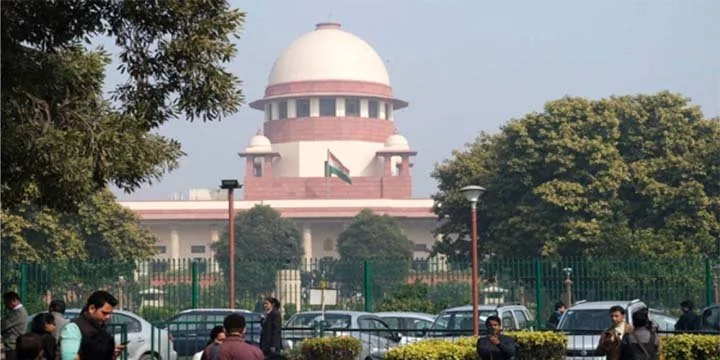
Context: In a blow to telecom companies in the country, the Supreme Court has held that payment of entry fee as well as variable annual licence fee made by telcos will be considered capital expenditure and not revenue expenditure, and taxed accordingly. The decision could bring in additional tax liabilities for telecom companies – especially for older telcos Bharti Airtel and Vodafone Idea – to the tune of $1 billion in the current fiscal year, according to industry estimates. It is worth noting that the Supreme Court’s order has not clarified whether the changes to the accounting structure will have to be made on a retrospective basis.
Context:
- In a blow to telecom companies in the country, the Supreme Court has held that payment of entry fee as well as variable annual licence fee made by telcos will be considered capital expenditure and not revenue expenditure, and taxed accordingly.
- The decision could bring in additional tax liabilities for telecom companies – especially for older telcos Bharti Airtel and Vodafone Idea – to the tune of $1 billion in the current fiscal year, according to industry estimates.
- It is worth noting that the Supreme Court’s order has not clarified whether the changes to the accounting structure will have to be made on a retrospective basis.
What did the Supreme Court rule?
- Disposing an appeal by the Income Tax Department clubbed with 33 similar petitions, the bench held that the payment of entry fee as well as the variable annual licence fee paid by the respondents-assessees to the DoT (Department of Telecommunication) under the (New Telecom) Policy of 1999 are capital in nature and may be amortised in accordance with Section 35ABB of the (Income Tax) Act.
- This essentially means that instead of deducting the entire expenditure all at once, the company will need to deduct a portion of the total fee over each year for tax purposes.
- As part of its judgement, the top court also set aside a Delhi High Court order that categorised licence fees before and after July 31, 1999, differently, as capital expense and revenue expense, respectively.
How will the order impact telcos?
- Currently, telecom companies treat licence fees as an expense, claiming deductions on account of variable licence fees on a year-to-date basis for computing their tax liability.
- But, experts said, due to the accounting change that the order forces them to make could lead to lower cash flow.
Syllabus: Prelims
- Prelims: Key facts, institutions, locations and terminology in the article.
- Mains: Connect the topic with Polity & Governance.
- Revision: Use the article headings to prepare concise notes and answer-writing points.
Test your understanding
Questions from this article
Prelims practiceWith reference to Supreme Court order on telcos’ licence fee tax, consider the following statements:
- In a blow to telecom companies in the country, the Supreme Court has held that payment of entry fee as well as variable annual licence fee made by telcos will be considered capital expenditure and not revenue…
- The decision could bring in additional tax liabilities for telecom companies – especially for older telcos Bharti Airtel and Vodafone Idea – to the tune of $1 billion in the current fiscal year, according to industry…
- It is worth noting that the Supreme Court’s order has not clarified whether the changes to the accounting structure will have to be made on a retrospective basis.
Which of the statements given above are correct?
- 1 and 2 only
- 2 and 3 only
- 1 and 3 only
- 1, 2 and 3
View answer
Answer: (d) 1, 2 and 3. All three statements are drawn from the article.
Mains practiceDiscuss the background, key issues and significance of Supreme Court order on telcos’ licence fee tax for India.
Answer in 250 words.
View answer approach
- Context:
- What did the Supreme Court rule?
- How will the order impact telcos?
Frequently asked questionsFrequently asked questions
Why is Supreme Court Order On Telcos’ Licence Fee Tax in the news?
Context: In a blow to telecom companies in the country, the Supreme Court has held that payment of entry fee as well as variable annual licence fee made by telcos will be considered capital expenditure and not revenue expenditure, and taxed accordingly. The decision could bring in additional tax liabilities for telecom companies – especially for older telcos Bharti Airtel and Vodafone Idea – to the tune of $1 billion in the current fiscal year, according to industry estimates.
What are the key facts about Supreme Court Order On Telcos’ Licence Fee Tax?
It is worth noting that the Supreme Court’s order has not clarified whether the changes to the accounting structure will have to be made on a retrospective basis. Disposing an appeal by the Income Tax Department clubbed with 33 similar petitions, the bench held that the payment of entry fee as well as the variable annual licence fee paid by the respondents-assessees to the DoT (Department of Telecommunication) under the… This essentially means that instead of deducting the entire expenditure all at once, the company will need to deduct a portion of the total fee over each year for tax purposes.
Why is Supreme Court Order On Telcos’ Licence Fee Tax important for UPSC preparation?
The topic connects current developments with Polity & Governance and is relevant for both objective revision and analytical answer writing.