UPSC Current Affairs
POLAND’S EXIT FROM OTTAWA CONVENTION
Poland has decided to withdraw from the Ottawa Convention (Mine Ban Treaty). Prime Minister Donald Tusk announced that Poland wants the ability to quickly deploy Anti-Personnel Landmines (APLs) along its eastern border if required. This decision is linked to rising security concerns from: Belarus The Russian enclave of Kaliningrad The withdrawal process takes six months and will be completed by February 2026.
VRAuthor Desk
3 min read
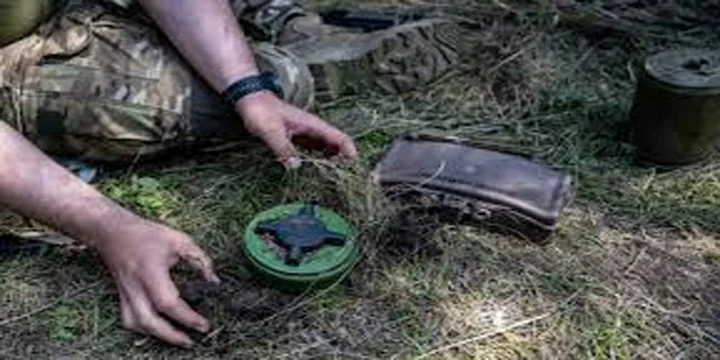
Poland has decided to withdraw from the Ottawa Convention (Mine Ban Treaty). Prime Minister Donald Tusk announced that Poland wants the ability to quickly deploy Anti-Personnel Landmines (APLs) along its eastern border if required. This decision is linked to rising security concerns from: Belarus The Russian enclave of Kaliningrad The withdrawal process takes six months and will be completed by February 2026.
What Happened?
- Poland has decided to withdraw from the Ottawa Convention (Mine Ban Treaty).
- Prime Minister Donald Tusk announced that Poland wants the ability to quickly deploy Anti-Personnel Landmines (APLs) along its eastern border if required.
- This decision is linked to rising security concerns from:
- Belarus
- The Russian enclave of Kaliningrad
- The withdrawal process takes six months and will be completed by February 2026.
WHY IS POLAND TAKING SUCH A STEP?
- Poland says the move is necessary for National Security.
- It is part of a broader defence initiative called the “East Shield” Project.
Aim of East Shield:
- Strengthen Border Defence
- Protect Territorial Integrity
- Prepare for potential Military Threats
Poland believes that the
security situation in Eastern Europe has worsened due to tensions with
Russia and Belarus.
WHAT CHANGES AFTER WITHDRAWAL?
After leaving the treaty, Poland can:
- Produce Anti-Personnel Landmines
- Stockpile them
- Deploy them along borders if required
Poland has announced plans to
restart production of landmines, which had stopped after the
Cold War. It may also expand
defence cooperation with Ukraine.
WHAT IS OTTAWA CONVENTION?
The
Ottawa Convention, also called the
Mine Ban Treaty, is an international agreement that:
- Prohibits the use of Anti-Personnel Landmines
- Bans their production and transfer
- Requires destruction of stockpiled mines
It came into force on
March 1, 1999.
The treaty is of
unlimited duration and open to all countries.
MAIN RULES OF THE TREATY
Member countries must:
- Never use anti-personnel landmines
- Never produce, stockpile, or transfer them
- Destroy stockpiled mines within 4 years
- Clear mined areas within 10 years
- Provide assistance to mine victims
- Conduct mine risk education
- Submit annual reports
Countries may request an extension of up to
10 years if needed.
MEMBERS OF THE TREATY
- 164 countries are States Parties.
- 34 out of 50 former mine-producing countries have joined.
However, major countries outside the treaty include:
- China
- India
- Pakistan
- Republic of Korea
- Russia
- United States
WHY ARE LANDMINES CONTROVERSIAL?
Anti-Personnel Landmines:
- Remain active for many years
- Harm civilians even after conflicts end
- Create long-term humanitarian crises
- Because of these reasons, many countries supported the treaty.
- However, some nations argue that landmines are important for defence in high-risk border areas.
IMPLICATIONS FOR POLAND’S DECISION
For Europe
- Reflects rising security tensions in Eastern Europe
- Shows fear of possible conflict with Russia or Belarus
For International Law
- Weakens the global effort to ban landmines
- May encourage other countries to reconsider treaty commitments
For Regional Security
- Could increase military tension
- May lead to stronger defence measures along NATO’s eastern border
CONCLUSION
- Poland’s withdrawal from the Ottawa Convention is a major strategic decision driven by national security concerns.
- While the treaty focuses on humanitarian protection, Poland prioritises border defence and military preparedness.
- Prelims: Key facts, institutions, locations and terminology in the article.
- Mains: Connect the topic with Economy, International Relations, Defence.
- Revision: Use the article headings to prepare concise notes and answer-writing points.
Test your understanding
Questions from this article
Prelims practiceWith reference to POLAND’S EXIT FROM OTTAWA CONVENTION, consider the following statements:
- Poland has decided to withdraw from the Ottawa Convention (Mine Ban Treaty).
- Prime Minister Donald Tusk announced that Poland wants the ability to quickly deploy Anti-Personnel Landmines (APLs) along its eastern border if required.
- This decision is linked to rising security concerns from: Belarus The Russian enclave of Kaliningrad
Which of the statements given above are correct?
- 1 and 2 only
- 2 and 3 only
- 1 and 3 only
- 1, 2 and 3
View answer
Answer: (d) 1, 2 and 3. All three statements are drawn from the article.
Mains practiceDiscuss the background, key issues and significance of POLAND’S EXIT FROM OTTAWA CONVENTION for India.
Answer in 250 words.
View answer approach
- What Happened?
- WHY IS POLAND TAKING SUCH A STEP?
- Aim of East Shield:
- MEMBERS OF THE TREATY
- WHY ARE LANDMINES CONTROVERSIAL?
Frequently asked questionsFrequently asked questions
Why is Poland’S Exit From Ottawa Convention in the news?
Poland has decided to withdraw from the Ottawa Convention (Mine Ban Treaty). Prime Minister Donald Tusk announced that Poland wants the ability to quickly deploy Anti-Personnel Landmines (APLs) along its eastern border if required.
What are the key facts about Poland’S Exit From Ottawa Convention?
This decision is linked to rising security concerns from: Belarus The Russian enclave of Kaliningrad The withdrawal process takes six months and will be completed by February 2026. Poland says the move is necessary for National Security. It is part of a broader defence initiative called the “East Shield” Project.
Why is Poland’S Exit From Ottawa Convention important for UPSC preparation?
The topic connects current developments with Economy, International Relations, Defence and is relevant for both objective revision and analytical answer writing.