UPSC Current Affairs
Parthenon Sculptures
Context: A diplomatic row sparked between Greece and the UK on Monday after British Prime Minister Rishi Sunak cancelled a meeting with his Greek counterpart Kyriakos Mitsotakis over the status of the Parthenon Sculptures housed at the British Museum. The Parthenon Sculptures at the British Museum are more than 30 ancient stone sculptures from Greece that are more than 2,000 years old. Most of them originally adorned the walls and grounds of the Parthenon temple on the rocky Acropolis hill in Athens.
VRAuthor Desk
2 min read
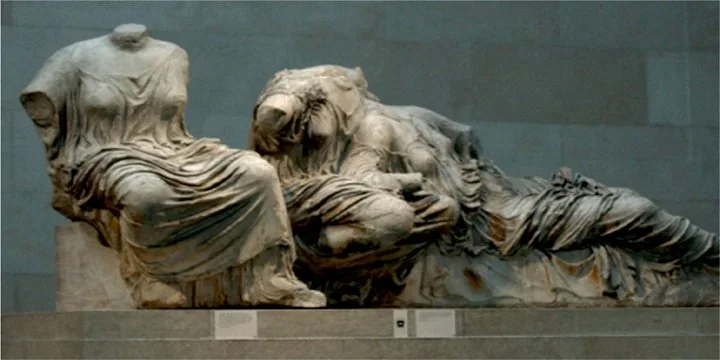
Context: A diplomatic row sparked between Greece and the UK on Monday after British Prime Minister Rishi Sunak cancelled a meeting with his Greek counterpart Kyriakos Mitsotakis over the status of the Parthenon Sculptures housed at the British Museum. The Parthenon Sculptures at the British Museum are more than 30 ancient stone sculptures from Greece that are more than 2,000 years old. Most of them originally adorned the walls and grounds of the Parthenon temple on the rocky Acropolis hill in Athens.
Context:
- A diplomatic row sparked between Greece and the UK on Monday after British Prime Minister Rishi Sunak cancelled a meeting with his Greek counterpart Kyriakos Mitsotakis over the status of the Parthenon Sculptures housed at the British Museum.
What are the Parthenon Sculptures?
- The Parthenon Sculptures at the British Museum are more than 30 ancient stone sculptures from Greece that are more than 2,000 years old.
- Most of them originally adorned the walls and grounds of the Parthenon temple on the rocky Acropolis hill in Athens.
- Completed in 432 BC, the temple is dedicated to the goddess Athena and is seen as the crowning glory of Athens’ Golden Age.
- While one notable sculpture, which is 75 metres long, depicts a procession for the birthday of Athena, others show gods, heroes or mythical creatures.
How did the sculptures reach Britain?
- They were removed from the Parthenon in the early 19th century by Thomas Bruce, the 7th Earl of Elgin and then-British ambassador to the Ottoman Empire.
- The marbles were taken to Britain and purchased by the British Museum in 1816.
Were the sculptures stolen?
- While Athen accused Lord Elgin of theft, he insisted he had permission to remove the marbles from the Ottoman Empire, which used to control Athen at the time.
- The original letter giving him permission, however, has been lost and its text remains disputed, according to a report by the BBC.
- Athens has been demanding the return of the sculptures since it became independent in the early 1830s.
- The campaign gained momentum in the 1980s after Greek Oscar-nominated actress Melina Mercouri launched a movement for their return when she was culture minister between 1981 and 1989.
How did Britain respond?
- The British Museum, the caretaker of the sculptures, claims that they were acquired by Elgin under a legal contract with the Ottoman Empire and has rejected the demands of their return.
- In March, Sunak said the marbles are a “huge asset” to the UK and ruled out changing a law that would allow the sculptures to be given back to Greece.
What happens now?
- A day after the meeting was cancelled between Sunak and Mitsotakis, Greek officials said they would continue talks with the British Museum about the return of the Parthenon Sculptures.
- Reports suggest that although the Tory government insists that Britain owns the marbles, the Labour party, expected to win next year’s national elections, will allow a loan agreement between the British Museum and the Greek government.
Syllabus: Prelims
- Prelims: Key facts, institutions, locations and terminology in the article.
- Mains: Connect the topic with International Relations, Polity & Governance.
- Revision: Use the article headings to prepare concise notes and answer-writing points.
Test your understanding
Questions from this article
Prelims practiceWith reference to Parthenon Sculptures, consider the following statements:
- A diplomatic row sparked between Greece and the UK on Monday after British Prime Minister Rishi Sunak cancelled a meeting with his Greek counterpart Kyriakos Mitsotakis over the status of the Parthenon Sculptures housed…
- The Parthenon Sculptures at the British Museum are more than 30 ancient stone sculptures from Greece that are more than 2,000 years old.
- Most of them originally adorned the walls and grounds of the Parthenon temple on the rocky Acropolis hill in Athens.
Which of the statements given above are correct?
- 1 and 2 only
- 2 and 3 only
- 1 and 3 only
- 1, 2 and 3
View answer
Answer: (d) 1, 2 and 3. All three statements are drawn from the article.
Mains practiceDiscuss the background, key issues and significance of Parthenon Sculptures for India.
Answer in 250 words.
View answer approach
- Context:
- What are the Parthenon Sculptures?
- How did the sculptures reach Britain?
- Were the sculptures stolen?
- How did Britain respond?
Frequently asked questionsFrequently asked questions
Why is Parthenon Sculptures in the news?
Context: A diplomatic row sparked between Greece and the UK on Monday after British Prime Minister Rishi Sunak cancelled a meeting with his Greek counterpart Kyriakos Mitsotakis over the status of the Parthenon Sculptures housed at the British Museum. The Parthenon Sculptures at the British Museum are more than 30 ancient stone sculptures from Greece that are more than 2,000 years old.
What are the key facts about Parthenon Sculptures?
Most of them originally adorned the walls and grounds of the Parthenon temple on the rocky Acropolis hill in Athens. Completed in 432 BC, the temple is dedicated to the goddess Athena and is seen as the crowning glory of Athens’ Golden Age. While one notable sculpture, which is 75 metres long, depicts a procession for the birthday of Athena, others show gods, heroes or mythical creatures.
Why is Parthenon Sculptures important for UPSC preparation?
The topic connects current developments with International Relations, Polity & Governance and is relevant for both objective revision and analytical answer writing.