Mpox is a viral zoonotic disease that can spread through close contact with infected people, animals or contaminated materials. Surveillance, laboratory confirmation, risk communication and protection of vulnerable groups are central to containing outbreaks without stigma.
World Health Organisation, sounding its
highest level of alarm,
declared mpox as a Public Health Emergency of International Concern on Wednesday.
IS IT THE FIRST TIME THIS DECLARATION IS ISSUED FOR MPOX? This is the
second time the infection has received the designation in as many years — the outbreak between
July 2022 and May 2023 was
also declared as PHEIC. WHY WAS THIS DECISION TAKEN? The decision to sound the alarm was taken after an
upsurge of cases reported from the Democratic Republic of Congo (DRC) and neighbouring countries. At least 99,176 cases and 208 deaths due to mpox have been reported from 116 countries since 2022, according to data from the WHO.
ABOUT M POX
WHAT IS MONKEYPOX? It is a viral disease.
HOW IT IS TRANSMITTED TO HUMANS? An infected animal transmits the virus to humans through a bite or direct contact.
HOW IS IT TRANSMITTED FROM HUMANS TO HUMANS? Transmission happens only through close contact and by touching or sharing the clothes or bedding used by the patient, because the lesions usually have a high viral load. Transmission also extends throughout the course of the illness, till the lesions heal.
WHAT ARE THE SYMPTOMS OF MONKEYPOX AND HOW LONG DO THEY LAST? Symptoms include:
- Fever
- Rashes on the skin (appear on the face, inside palms and the body one to four days after fever.)
- Headache,
- Joint Ache
- Swelling of the lymph glands.
The incubation period for the disease — the time from exposure to the virus to the manifestation of symptoms — ranges from five to 21 days.
A NEW MPOX An analysis of patients hospitalised between October and January in Kamituga, eastern Congo, suggests recent
genetic mutations in Mpox are the result of its
continued transmission in humans.
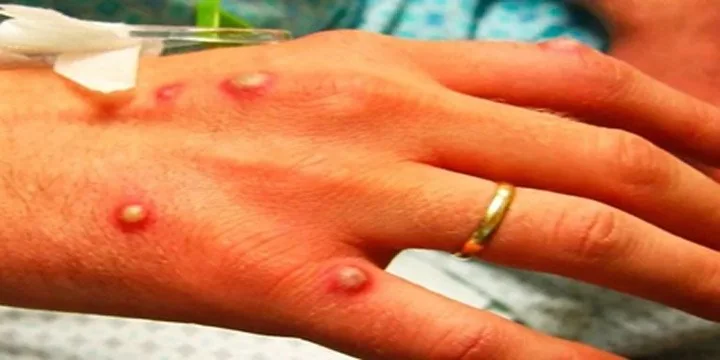
The lesions reported by most patients are
milder and on the genitals, making the
disease trickier to diagnose. In
previous outbreaks in Africa, lesions were mostly seen on the
chest, hands and feet. The new form seems to have
a lower death rate. CLADES OF MPOX There are two kinds, or clades, of Mpox, which is related to smallpox and is endemic to Central and West Africa.
Clade 1 is more severe, and can kill up to
10% of people infected.
Clade 2 triggered the 2022 outbreak; more than
99% of people infected survived. Dr Mbala-Kingebeni and colleagues said they have identified
a new form of Clade 1 that may be responsible for
more than 240 cases and at least three deaths in Kamituga, a region with a significant transient population travelling elsewhere in Africa and beyond.
Democratic Republic of the Congo (DRC) is struggling to contain its biggest
Mpox outbreak. Scientists say a new form of the disease
detected in a mining town might more easily spread among people. Since January, the
DRC (also known as Congo) has reported more than
4,500 suspected Mpox cases and nearly 300 deaths, numbers that have roughly
tripled from the same period last year, according to World Health Organization.
Congo recently declared the outbreak across the country a
health emergency. Cases have been reported in
neighbouring Republic of Congo as well. ABOUT M POX
WHAT IS MONKEYPOX? It is a viral disease.
HOW IT IS TRANSMITTED TO HUMANS? An infected animal transmits the virus to humans through a bite or direct contact.
HOW IS IT TRANSMITTED FROM HUMANS TO HUMANS? Transmission happens only through close contact and by touching or sharing the clothes or bedding used by the patient, because the lesions usually have a high viral load. Transmission also extends throughout the course of the illness, till the lesions heal.
WHAT ARE THE SYMPTOMS OF MONKEYPOX AND HOW LONG DO THEY LAST? Symptoms include:
- Fever
- Rashes on the skin (appear on the face, inside palms and the body one to four days after fever.)
- Headache,
- Joint Ache
- Swelling of the lymph glands.
The incubation period for the disease — the time from exposure to the virus to the manifestation of symptoms — ranges from five to 21 days.
 A NEW MPOX
 An analysis of patients hospitalised between October and January in Kamituga, eastern Congo, suggests recent
genetic mutations in Mpox are the result of its
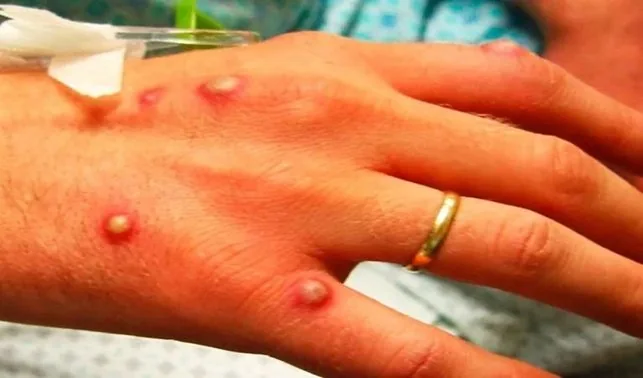
continued transmission in humans. The lesions reported by most patients are
milder and on the genitals, making the
disease trickier to diagnose. In
previous outbreaks in Africa, lesions were mostly seen on the
chest, hands and feet. The new form seems to have
a lower death rate. CLADES OF MPOX There are two kinds, or clades, of Mpox, which is related to smallpox and is endemic to Central and West Africa.
Clade 1 is more severe, and can kill up to
10% of people infected.
Clade 2 triggered the 2022 outbreak; more than
99% of people infected survived. Dr Mbala-Kingebeni and colleagues said they have identified
a new form of Clade 1 that may be responsible for
more than 240 cases and at least three deaths in Kamituga, a region with a significant transient population travelling elsewhere in Africa and beyond.
Why This Topic Matters for UPSC
- Prelims: Revise definitions, institutions, locations, reports and factual features connected with Mpox Outbreak: Transmission, Symptoms and Public-Health Response.
- Mains: Link the topic with Health, International Institutions, One Health and organise the answer under background, significance, challenges and way forward.
- Interview: Explain the issue in balanced language and distinguish verified facts from opinion.
Key Takeaway
Mpox is a viral zoonotic disease that can spread through close contact with infected people, animals or contaminated materials. Surveillance, laboratory confirmation, risk communication and protection of vulnerable groups are central to containing outbreaks without stigma.
Frequently asked questionsFrequently asked questions
What is Mpox Outbreak?
Mpox is a viral zoonotic disease that can spread through close contact with infected people, animals or contaminated materials. Surveillance, laboratory confirmation, risk communication and protection of vulnerable groups are central to containing outbreaks without stigma.
Why is Mpox Outbreak important for UPSC?
It connects current developments with Health, International Institutions, One Health and supports factual revision as well as analytical answer writing.
How should aspirants prepare Mpox Outbreak?
Prepare a short definition, key facts, institutional or legal framework, significance, challenges and a balanced way forward. Revise the specific developments and examples explained in the article.