- Recently, cases of Human Metapneumovirus (HMPV) have emerged in China, raising concern among health officials.
- As respiratory infections rise in the winter months, China’s disease control authorities have launched a monitoring system for pneumonia of unknown origin.
- This system aims to help track and manage new pathogens.
- One of the key viruses detected is HMPV, which has shown an upward trend, especially in northern provinces and among children under 14.
- Although social media posts suggested that China had declared an emergency over HMPV, there has been no official confirmation of such a declaration.
- However, authorities are carefully monitoring the situation as respiratory infections are expected to increase through winter and spring.
WHAT IS HUMAN METAPNEUMOVIRUS?
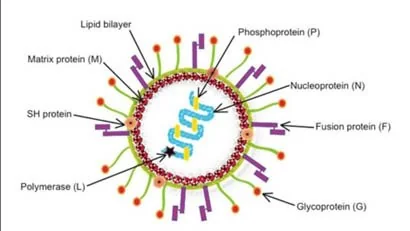
A model structure of Human Metapneumovirus
Human Metapneumovirus (HMPV) is a
respiratory virus that causes infections similar to the common cold. It was first identified in 2001 and belongs to the
Pneumoviridae family, which also includes:
- Respiratory Syncytial Virus (RSV)
- Measles
- Mumps
HMPV can affect both the
upper (nose, throat) and
lower respiratory tract (lungs) and is most commonly seen during the
winter and early spring months.
Children, the elderly, and people with weakened immune systems are at a higher risk of infection and complications.
SIGNS & SYMPTOMS
The symptoms of HMPV typically resemble those of a common cold but can range from mild to more severe. Common symptoms include:
- Cough
- Runny or blocked nose
- Sore throat
- Fever
- Wheezing
The
incubation period for HMPV is generally
3 to 6 days.
In most cases, the infection resolves on its own within a few days with rest and
supportive care at home. However, in some individuals, complications like
bronchitis or
pneumonia can develop, requiring medical treatment.
HOW DOES HMPV SPREAD?
HMPV is primarily spread through
respiratory droplets when an infected person coughs or sneezes. It can also be transmitted via:
- Close contact with an infected person (e.g., shaking hands, hugging)
- Touching contaminated objects (e.g., doorknobs, phones, keyboards) and then touching your mouth, nose, or eyes
Because the virus spreads through these common actions,
personal hygiene is crucial in preventing transmission.
TREATMENT OF HMPV
Currently, there is no
specific antiviral medication to treat HMPV, nor is there a
vaccine for prevention. Treatment focuses on managing symptoms. Most people recover with the help of:
- Over-the-counter medications for fever and pain relief
- Decongestants to ease breathing difficulties
Since antibiotics are ineffective against viral infections, they are not prescribed for HMPV unless there is a secondary bacterial infection.
PREVENTION OF HMPV
Preventing the spread of HMPV largely involves general precautions to avoid respiratory infections:
- Frequent hand washing with soap and water
- Avoid close contact with infected individuals
- Avoid touching your face, particularly the eyes, nose, and mouth
- Wearing a mask if you suspect you may be infected, to prevent spreading the virus to others
People with pre-existing lung conditions, such as
asthma or
Chronic Obstructive Pulmonary Disease (COPD), should take extra care to avoid exposure to the virus.
MONITORING & RESPONSE: INDIA’S VIGILANCE
- In response to reports from China, India’s National Centre for Disease Control (NCDC) under the Union Health Ministry is actively monitoring respiratory infections and seasonal influenza cases within the country.
- The NCDC is also in touch with international health agencies to stay updated on the situation.
- According to official sources, while there has been a rise in acute respiratory infections (including HMPV, RSV, and seasonal influenza) in China during December, the overall scale and intensity of these diseases is reportedly lower than in the previous year.
- Health officials expect a seasonal increase in respiratory pathogens across the northern hemisphere during the winter period.
Test your understanding
Questions from this article
Prelims practiceWith reference to HUMAN METAPNEUMOVIRUS (HMPV), consider the following statements:
- Recently, cases of Human Metapneumovirus (HMPV) have emerged in China, raising concern among health officials.
- As respiratory infections rise in the winter months, China’s disease control authorities have launched a monitoring system for pneumonia of unknown origin.
- This system aims to help track and manage new pathogens.
Which of the statements given above are correct?
- 1 and 2 only
- 2 and 3 only
- 1 and 3 only
- 1, 2 and 3
View answer
Answer: (d) 1, 2 and 3. All three statements are drawn from the article.
Mains practiceDiscuss the background, key issues and significance of HUMAN METAPNEUMOVIRUS (HMPV) for India.
Answer in 250 words.
View answer approach
- MONITORING & RESPONSE: INDIA’S VIGILANCE
- Background and context
- Key facts and institutional framework
- Significance and way forward
Frequently asked questionsFrequently asked questions
Why is Human Metapneumovirus (Hmpv) in the news?
Recently, cases of Human Metapneumovirus (HMPV) have emerged in China, raising concern among health officials. As respiratory infections rise in the winter months, China’s disease control authorities have launched a monitoring system for pneumonia of unknown origin.
What are the key facts about Human Metapneumovirus (Hmpv)?
This system aims to help track and manage new pathogens. One of the key viruses detected is HMPV, which has shown an upward trend, especially in northern provinces and among children under 14. Although social media posts suggested that China had declared an emergency over HMPV, there has been no official confirmation of such a declaration.
Why is Human Metapneumovirus (Hmpv) important for UPSC preparation?
The topic connects current developments with Polity & Governance, Health and is relevant for both objective revision and analytical answer writing.