UPSC Current Affairs
GUJARAT’S GHARCHOLA GETS GI TAG
Overview: The Geographical Indication (GI) tag has been granted to Gharchola, a traditional sari worn during weddings, by the Government of India. This recognition celebrates the cultural significance and craftsmanship of Gharchola, an iconic textile from Gujarat. Origin and Historical Significance: Gharchola originates from the Khambhat (Cambay) region of Gujarat, which was a prominent port city and trade center in India until the 16th century.
VRAuthor Desk
4 min read
Overview: The Geographical Indication (GI) tag has been granted to Gharchola, a traditional sari worn during weddings, by the Government of India. This recognition celebrates the cultural significance and craftsmanship of Gharchola, an iconic textile from Gujarat. Origin and Historical Significance: Gharchola originates from the Khambhat (Cambay) region of Gujarat, which was a prominent port city and trade center in India until the 16th century.
Overview:
- The Geographical Indication (GI) tag has been granted to Gharchola, a traditional sari worn during weddings, by the Government of India.
- This recognition celebrates the cultural significance and craftsmanship of Gharchola, an iconic textile from Gujarat.
WHAT IS GHARCHOLA?
- Origin and Historical Significance:
- Gharchola originates from the Khambhat (Cambay) region of Gujarat, which was a prominent port city and trade center in India until the 16th century.
- The city was known for its silk manufacturing, which led to the development of this exquisite traditional saree.
- Historically, Gharcholas have been used as wedding attire in Gujarati weddings, symbolizing a newly wedded bride’s transition to her new home.
- The term "Gharchola" literally means “Outfit for Home.”
- The fabric was woven in Khambhat by artisans who were highly skilled in silk weaving.
- Fabric and Weaving Technique:
- Gharcholas are traditionally woven using cotton or silk fabric.
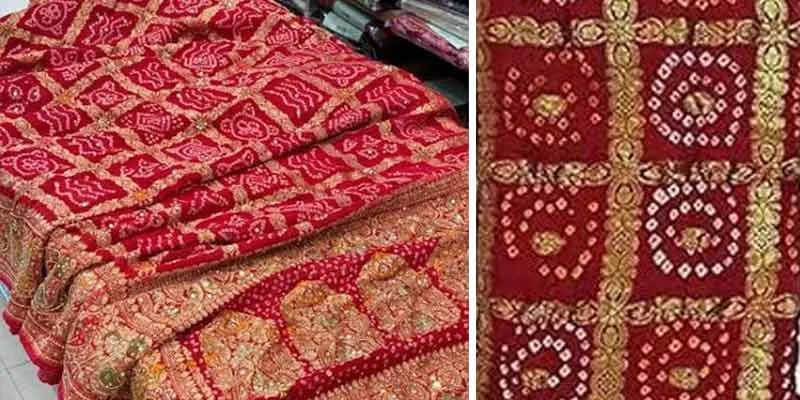
- They are characterized by their large checks created with silk and zari threads. These sarees are often embellished with Bandhani work or block printing, both of which add to the beauty and cultural richness of the garment.
- The weaving process is intricate and time-consuming, requiring the weaver to prepare the looms for about a week.
- It takes approximately three days for a plain body weave, while creating a check pattern can take up to a week.
- Designs and Motifs:
- Gharchola sarees are known for their elegant designs and motifs such as elephants, parrots, flowers, dancing girls, peacocks, lotus flowers, and floral patterns.
- These designs are woven into squares or compartments.
- Popular varieties of Gharchola sarees include those with 12 squares known as ‘Bar Bagh’ and 52 squares known as ‘Bavan Bagh’.
- The most popular color combinations for these sarees are red and white or red and green, symbolizing prosperity and auspiciousness in weddings.
ABOUT GI TAG
- What is a GI Tag?
- A Geographical Indication (GI) tag is a legal recognition granted to a product originating from a specific geographical region, denoting its distinctive qualities or reputation that are directly tied to its place of origin.
- A GI tag helps protect the unique characteristics of a product and serves as an assurance of quality.
- It ensures that only producers from the designated region can use the specific name to market their products.
ADVANTAGES FOR PRODUCERS
- Premium Pricing: Products with GI tags often command a premium price due to their association with quality and authenticity.
- No other producers can use the same name or market similar goods, ensuring the exclusivity of the product.
- Legal Protection: The GI tag provides legal protection, preventing unauthorized use of the name or replication of the product by others, ensuring fair trade and protecting the interests of genuine producers.
- Global Recognition: GI products often gain increased visibility in international markets, leading to higher demand and export opportunities.
- For example, products like Darjeeling Tea, Kashmir Pashmina, and Tirupati Laddu have successfully expanded their market reach globally due to their GI tags.
PROCESS OF GI REGISTRATION
- The GI registration process includes:
- Filing of application
- Preliminary scrutiny and examination
- Show cause notices if there are objections
- Publication in the Geographical Indications Journal
- Opposition to registration (if applicable)
- Official registration once all requirements are met.
- The Geographical Indications Registry, established under the Geographical Indications of Goods (Registration & Protection) Act, 1999, manages the registration process and protects GI-tagged products.
INTERNATIONAL RECOGNITION
- Geographical indications are part of Intellectual Property Rights (IPRs) and are protected under Articles 1(2) and 10 of the Paris Convention for the Protection of Industrial Property and Articles 22–24 of the TRIPS (Trade-Related Aspects of Intellectual Property Rights) Agreement.
- These agreements ensure that GIs are recognized and protected internationally.
EXAMPLES OF GI TAG PRODUCTS
- Darjeeling Tea
- Tirupati Laddu
- Kangra Paintings
- Nagpur Orange
- Kashmir Pashmina
Other Handicrafts with GI Tags Recent Additions
- Surat’s ‘Saadeli’ art.
- Banaskantha’s ‘Soof’ embroidery.
- Bharuch’s ‘Sujni’ craft.
- Ahmedabad’s ‘Saudagiri Print.’
- ‘Mata Ni Pacchedi’ handicrafts.
These examples highlight the diversity of
Indian handicrafts, agricultural products, and
handmade goods that benefit from GI recognition.
- Prelims: Key facts, institutions, locations and terminology in the article.
- Mains: Connect the topic with Economy, International Relations, Polity & Governance.
- Revision: Use the article headings to prepare concise notes and answer-writing points.
Test your understanding
Questions from this article
Prelims practiceWith reference to GUJARAT’S GHARCHOLA GETS GI TAG, consider the following statements:
- The Geographical Indication (GI) tag has been granted to Gharchola, a traditional sari worn during weddings, by the Government of India.
- This recognition celebrates the cultural significance and craftsmanship of Gharchola, an iconic textile from Gujarat.
- Origin and Historical Significance: Gharchola originates from the Khambhat (Cambay) region of Gujarat, which was a prominent port city and trade center in India until the 16th century. The city was known for its silk…
Which of the statements given above are correct?
- 1 and 2 only
- 2 and 3 only
- 1 and 3 only
- 1, 2 and 3
View answer
Answer: (d) 1, 2 and 3. All three statements are drawn from the article.
Mains practiceDiscuss the background, key issues and significance of GUJARAT’S GHARCHOLA GETS GI TAG for India.
Answer in 250 words.
View answer approach
- Overview:
- WHAT IS GHARCHOLA?
- ABOUT GI TAG
- ADVANTAGES FOR PRODUCERS
- PROCESS OF GI REGISTRATION
Frequently asked questionsFrequently asked questions
Why is Gujarat’S Gharchola Gets Gi Tag in the news?
Overview: The Geographical Indication (GI) tag has been granted to Gharchola, a traditional sari worn during weddings, by the Government of India. This recognition celebrates the cultural significance and craftsmanship of Gharchola, an iconic textile from Gujarat.
What are the key facts about Gujarat’S Gharchola Gets Gi Tag?
Origin and Historical Significance: Gharchola originates from the Khambhat (Cambay) region of Gujarat, which was a prominent port city and trade center in India until the 16th century. The city was known for its silk manufacturing, which led to the development of this exquisite traditional saree. Historically, Gharcholas have been used as wedding attire in Gujarati weddings, symbolizing a newly wedded bride’s transition to her new home.
Why is Gujarat’S Gharchola Gets Gi Tag important for UPSC preparation?
The topic connects current developments with Economy, International Relations, Polity & Governance and is relevant for both objective revision and analytical answer writing.