UPSC Current Affairs
Tuberculosis: Causes, Symptoms, Transmission and Control
Tuberculosis is an infectious disease caused mainly by Mycobacterium tuberculosis and most often affects the lungs. Airborne transmission, drug-resistant TB and gaps in diagnosis and treatment make prevention, nutrition, adherence and public-health surveillance central to elimination efforts.
VRAuthor Desk
3 min read
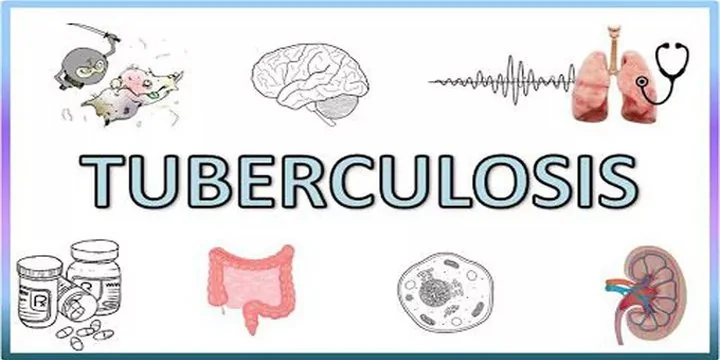
In brief: Tuberculosis is an infectious disease caused mainly by Mycobacterium tuberculosis and most often affects the lungs. Airborne transmission, drug-resistant TB and gaps in diagnosis and treatment make prevention, nutrition, adherence and public-health surveillance central to elimination efforts.
Tuberculosis is an infectious disease caused mainly by Mycobacterium tuberculosis and most often affects the lungs. Airborne transmission, drug-resistant TB and gaps in diagnosis and treatment make prevention, nutrition, adherence and public-health surveillance central to elimination efforts.
Context:
- According to a recent research one in two tuberculosis patients either has diabetes or prediabetes, that is every other TB patient has some sort of glucose metabolism disorder.
About TB:
- Tuberculosis (TB) is caused by a bacterium called Mycobacterium tuberculosis.
- The bacteria usually attack the lungs, but TB bacteria can attack any part of the body such as the kidney, spine, and brain.
- Not everyone infected with TB bacteria becomes sick.
- As a result, two TB-related conditions exist: latent TB infection (LTBI) and TB disease.
- If not treated properly, TB disease can be fatal.
Spread of TB:
- TB bacteria spread through the air from one person to another.
- When a person with TB disease of the lungs or throat coughs, speaks, or sings, TB bacteria can get into the air.
- People nearby may breathe in these bacteria and become infected.
- When a person breathes in TB bacteria, the bacteria can settle in the lungs and begin to grow.
- From there, they can move through the blood to other parts of the body, such as the kidney, spine, and brain.
- TB disease in the lungs or throat can be infectious.
- This means that the bacteria can spread to other people.
- TB in other parts of the body, such as the kidney or spine, is usually not infectious.
- People with TB disease are most likely to spread it to people they spend time with every day.
- This includes family members, friends, and coworkers or schoolmates.
Signs and symptoms:
- Symptoms of TB disease depend on where in the body the TB bacteria are growing.
- TB bacteria usually grow in the lungs (pulmonary TB). TB disease in the lungs may cause symptoms such as:
- a bad cough that lasts 3 weeks or longer
- pain in the chest
- coughing up blood or sputum (phlegm from deep inside the lungs)
Other symptoms of TB disease are - weakness or fatigue
- weight loss
- no appetite
- chills
- fever
- sweating at night
Symptoms of TB disease in other parts of the body depend on the area affected. People who have latent TB infection - do not feel sick,
- do not have any symptoms, and
- cannot spread TB to others.
- Lightning is an atmospheric electrical phenomenon and contributes to the global atmospheric electrical circuit.
- The three main kinds of lightning are distinguished by where they occur: either inside a single thundercloud (intra-cloud), between two clouds (cloud-to-cloud), or between a cloud and the ground (cloud-to-ground), in which case it is referred to as a lightning strike.
Syllabus: Prelims
Why This Topic Matters for UPSC
- Prelims: Revise definitions, institutions, locations, reports and factual features connected with Tuberculosis: Causes, Symptoms, Transmission and Control.
- Mains: Link the topic with Health, Government Programmes, Science and Technology and organise the answer under background, significance, challenges and way forward.
- Interview: Explain the issue in balanced language and distinguish verified facts from opinion.
Key Takeaway
Tuberculosis is an infectious disease caused mainly by Mycobacterium tuberculosis and most often affects the lungs. Airborne transmission, drug-resistant TB and gaps in diagnosis and treatment make prevention, nutrition, adherence and public-health surveillance central to elimination efforts.
- Prelims: Revise the key facts and terminology.
- Mains: Connect the topic with Health, Government Programmes, Science and Technology.
- Revision: Prepare notes under background, features, significance, challenges and way forward.
Test your understanding
Questions from this article
Prelims practiceWith reference to Tuberculosis, consider the following statements:
- According to a recent research one in two tuberculosis patients either has diabetes or prediabetes, that is every other TB patient has some sort of glucose metabolism disorder.
- Tuberculosis (TB) is caused by a bacterium called Mycobacterium tuberculosis.
- The bacteria usually attack the lungs, but TB bacteria can attack any part of the body such as the kidney, spine, and brain.
Which of the statements given above are correct?
- 1 and 2 only
- 2 and 3 only
- 1 and 3 only
- 1, 2 and 3
View answer
Answer: (d) 1, 2 and 3. All three statements are drawn from the article.
Mains practiceDiscuss the background, key issues and significance of Tuberculosis for India.
Answer in 250 words.
View answer approach
- Context:
- About TB:
- Spread of TB:
- Signs and symptoms:
Frequently asked questionsFrequently asked questions
What is Tuberculosis?
Tuberculosis is an infectious disease caused mainly by Mycobacterium tuberculosis and most often affects the lungs. Airborne transmission, drug-resistant TB and gaps in diagnosis and treatment make prevention, nutrition, adherence and public-health surveillance central to elimination efforts.
Why is Tuberculosis important for UPSC?
It connects current developments with Health, Government Programmes, Science and Technology and supports factual revision as well as analytical answer writing.
How should aspirants prepare Tuberculosis?
Prepare a short definition, key facts, institutional or legal framework, significance, challenges and a balanced way forward. Revise the specific developments and examples explained in the article.