UPSC Current Affairs
RIM OF THE PACIFIC (RIMPAC)
The Rim of the Pacific (RIMPAC) 2026, the world's largest multinational maritime exercise, commenced on 24 June 2026 in Hawaii. The exercise is being hosted by the United States Pacific Fleet and will continue until 31 July 2026. It brings together military forces from 30 countries to strengthen maritime security, interoperability, and regional stability in the Indo-Pacific.
VRAuthor Desk
4 min read
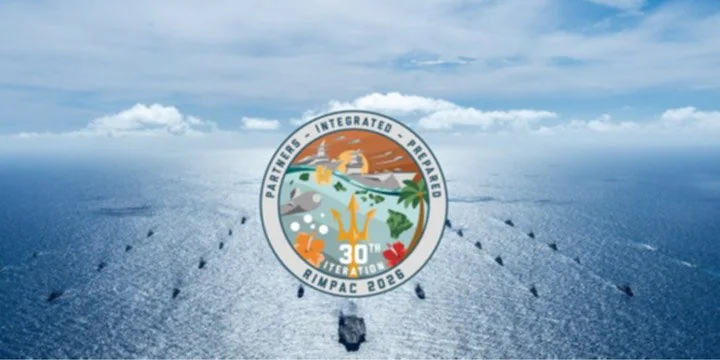
The Rim of the Pacific (RIMPAC) 2026, the world's largest multinational maritime exercise, commenced on 24 June 2026 in Hawaii. The exercise is being hosted by the United States Pacific Fleet and will continue until 31 July 2026. It brings together military forces from 30 countries to strengthen maritime security, interoperability, and regional stability in the Indo-Pacific.
Why in News?
- The Rim of the Pacific (RIMPAC) 2026, the world's largest multinational maritime exercise, commenced on 24 June 2026 in Hawaii.
- The exercise is being hosted by the United States Pacific Fleet and will continue until 31 July 2026.
- It brings together military forces from 30 countries to strengthen maritime security, interoperability, and regional stability in the Indo-Pacific.
WHAT IS RIMPAC?
About
- Rim of the Pacific (RIMPAC) is the world's largest international maritime military exercise.
- It is a multinational naval exercise involving naval, air, and land forces.
- Conducted biennially under the leadership of the United States Navy.
Origin
Edition
- RIMPAC 2026 is the 30th edition of the exercise.
Objective
- Enhance interoperability among participating nations.
- Improve operational readiness and combat capabilities.
- Promote a free, open, and secure Indo-Pacific region.
THEME OF RIMPAC 2026
"Partners: Integrated and Prepared"
Focus Areas
- Collective preparedness.
- Joint operational capability.
- Multinational cooperation.
- Regional maritime security.
KEY HIGHLIGHTS OF RIMPAC 2026
Scale of Participation
- 30 participating countries.
- More than 30 warships and surface vessels.
- 5 submarines.
- More than 206 aircraft.
- 15 national land forces.
- Approximately 30,000 military personnel.
Area of Operations
- Conducted in and around the Hawaiian Islands and the Pacific Ocean region.
MULTINATIONAL COMMAND STRUCTURE
Deputy Commander
Vice Commander
Combined Forces Maritime Component Commander
Combined Forces Air Component Commander
MAJOR EXERCISES CONDUCTED
Amphibious Operations
- Joint coastal and beach assault exercises.
Missile and Gunnery Drills
- Live-fire and precision engagement exercises.
Anti-Submarine Warfare
- Detection, tracking, and neutralization of submarines.
Air Defence Operations
- Protection against aerial threats and missile attacks.
Counter-Piracy Missions
- Maritime security and anti-piracy operations.
Mine Countermeasure Operations
- Detection and removal of naval mines.
Explosive Ordnance Disposal (EOD)
- Handling and disposal of explosive threats.
Diving and Salvage Operations
- Underwater recovery and rescue missions.
Humanitarian Assistance and Disaster Relief (HADR)
- Emergency response and disaster management exercises.
Military Medicine
- Medical support and casualty management training.
OBJECTIVES OF RIMPAC 2026
Strengthen Maritime Security
- Enhance the safety of international sea lanes and maritime trade routes.
Improve Interoperability
- Enable participating militaries to operate effectively together.
Enhance Combat Readiness
- Improve tactical proficiency and operational preparedness.
Promote Regional Stability
- Support peace, security, and stability in the Indo-Pacific.
Build Strategic Partnerships
- Strengthen cooperation among allied and partner nations.
IMPORTANCE OF INDO PACIFIC REGION
Global Trade Hub
- A significant share of global trade passes through Indo-Pacific sea routes.
Strategic Importance
- Home to major economic and military powers.
- Critical for global supply chains and energy transportation.
Emerging Security Challenges
- Maritime disputes.
- Piracy.
- Illegal fishing.
- Strategic competition among major powers.
SIGNIFICANCE OF RIMPAC
Collective Security
- Demonstrates the ability of partner nations to respond jointly to security challenges.
Operational Coordination
- Improves coordination among naval, air, and land forces.
Confidence Building
- Enhances trust and cooperation among participating countries.
Support for a Free and Open Indo-Pacific
- Reinforces commitment to freedom of navigation and rule-based maritime order.
Disaster Response Preparedness
- Strengthens multinational humanitarian and emergency response capabilities.
INDIA & RIMPAC
India's Participation
- India has participated in previous editions of RIMPAC through the Indian Navy.
- Participation supports India's vision of a secure and inclusive Indo-Pacific.
Alignment with India's Maritime Vision
- Complements India's SAGAR (Security and Growth for All in the Region)
- Supports cooperation with like-minded maritime partners.
CHALLENGES
Complex Multinational Coordination
- Managing diverse military doctrines and operational procedures.
Geopolitical Rivalries
- Strategic competition among major powers may affect cooperation.
Resource and Logistics Management
- Large-scale exercises require extensive planning and coordination.
Emerging Maritime Threats
- Cyber threats, unmanned systems, and hybrid warfare challenges.
WAY FORWARD
Strengthen Multilateral Cooperation
- Expand collaboration among Indo-Pacific nations.
Enhance Joint Training
- Increase interoperability through regular multinational exercises.
Focus on Emerging Security Domains
- Include cyber security, artificial intelligence, and autonomous systems.
Improve Maritime Domain Awareness
- Strengthen information-sharing mechanisms.
Promote Rule-Based Maritime Order
- Uphold international law and freedom of navigation.
CONCLUSION
RIMPAC 2026 highlights the growing importance of multinational maritime cooperation in maintaining peace, security, and stability across the Indo-Pacific. By bringing together
30 nations and around 30,000 personnel, the exercise strengthens collective readiness, operational interoperability, and commitment to a
free, open, and secure Indo-Pacific region.
- Prelims: Key facts, institutions, locations and terminology in the article.
- Mains: Connect the topic with Economy, Defence, Polity & Governance.
- Revision: Use the article headings to prepare concise notes and answer-writing points.
Test your understanding
Questions from this article
Prelims practiceWith reference to RIM OF THE PACIFIC (RIMPAC), consider the following statements:
- The Rim of the Pacific (RIMPAC) 2026, the world's largest multinational maritime exercise, commenced on 24 June 2026 in Hawaii.
- The exercise is being hosted by the United States Pacific Fleet and will continue until 31 July 2026.
- It brings together military forces from 30 countries to strengthen maritime security, interoperability, and regional stability in the Indo-Pacific.
Which of the statements given above are correct?
- 1 and 2 only
- 2 and 3 only
- 1 and 3 only
- 1, 2 and 3
View answer
Answer: (d) 1, 2 and 3. All three statements are drawn from the article.
Mains practiceDiscuss the background, key issues and significance of RIM OF THE PACIFIC (RIMPAC) for India.
Answer in 250 words.
View answer approach
- Why in News?
- WHAT IS RIMPAC?
- THEME OF RIMPAC 2026
- KEY HIGHLIGHTS OF RIMPAC 2026
- MULTINATIONAL COMMAND STRUCTURE
Frequently asked questionsFrequently asked questions
Why is Rim Of The Pacific (Rimpac) in the news?
The Rim of the Pacific (RIMPAC) 2026, the world's largest multinational maritime exercise, commenced on 24 June 2026 in Hawaii. The exercise is being hosted by the United States Pacific Fleet and will continue until 31 July 2026.
What are the key facts about Rim Of The Pacific (Rimpac)?
It brings together military forces from 30 countries to strengthen maritime security, interoperability, and regional stability in the Indo-Pacific. About Rim of the Pacific (RIMPAC) is the world's largest international maritime military exercise. It is a multinational naval exercise involving naval, air, and land forces.
Why is Rim Of The Pacific (Rimpac) important for UPSC preparation?
The topic connects current developments with Economy, Defence, Polity & Governance and is relevant for both objective revision and analytical answer writing.