UPSC Current Affairs
RED ALGAL BLOOMS IN INDIAN WATER BODIES
Red algal blooms are visible discolorations (red or pink) of water surfaces caused by microscopic photosynthetic organisms. In Indian water bodies, these blooms are often not true algae but caused by Euglenophytes, specifically the genus Euglena and its relatives. These microorganisms thrive in stagnant, nutrient-rich, oxygen-depleted waters, especially in urban and peri-urban lakes, ponds, ditches, and temple tanks.
VRAuthor Desk
3 min read
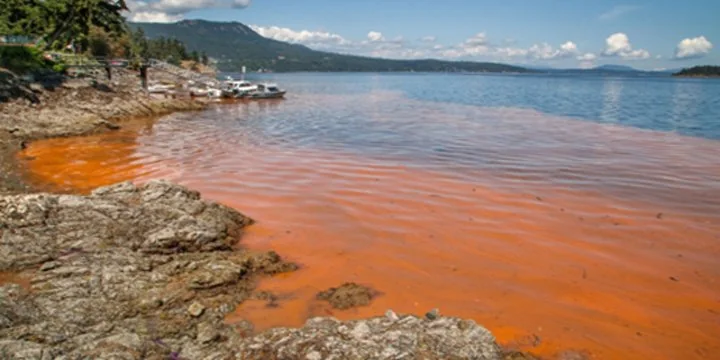
Red algal blooms are visible discolorations (red or pink) of water surfaces caused by microscopic photosynthetic organisms. In Indian water bodies, these blooms are often not true algae but caused by Euglenophytes, specifically the genus Euglena and its relatives. These microorganisms thrive in stagnant, nutrient-rich, oxygen-depleted waters, especially in urban and peri-urban lakes, ponds, ditches, and temple tanks.
What Are Red Algal Blooms?
- Red algal blooms are visible discolorations (red or pink) of water surfaces caused by microscopic photosynthetic organisms.
- In Indian water bodies, these blooms are often not true algae but caused by Euglenophytes, specifically the genus Euglena and its relatives.
- These microorganisms thrive in stagnant, nutrient-rich, oxygen-depleted waters, especially in urban and peri-urban lakes, ponds, ditches, and temple tanks.
ABOUT EUGLENOPHYTES
| Feature |
Details |
| Scientific Group |
Euglenophyta |
| Organism Type |
Unicellular, flagellated protists |
| Common Genera in India |
Euglena, Phacus, Trachelomonas species |
| Habitats |
Stagnant freshwater, ditches, lakes with poor circulation |
| Feeding Mechanism |
Mixotrophic – capable of photosynthesis and absorbing organic matter |
| Pigment Responsible for Red Colour |
Astaxanthin, a fat-soluble xanthophyll pigment |
WHY DOES THE WATER TURN RED?
- The red or pink coloration of the water during blooms is caused by astaxanthin, produced in high concentrations by certain Euglenophyte species.
- This occurs mostly in eutrophic conditions – environments rich in nitrates and phosphates, often due to:
- Sewage discharge
- Agricultural runoff
- Industrial effluents
NEGATIVE IMPACTS
- Oxygen Depletion
- Photosynthesis occurs during the day, but at night, Euglenoids consume oxygen, leading to diurnal oxygen fluctuations.
- This causes hypoxia (low oxygen levels), affecting fish and other aquatic life.
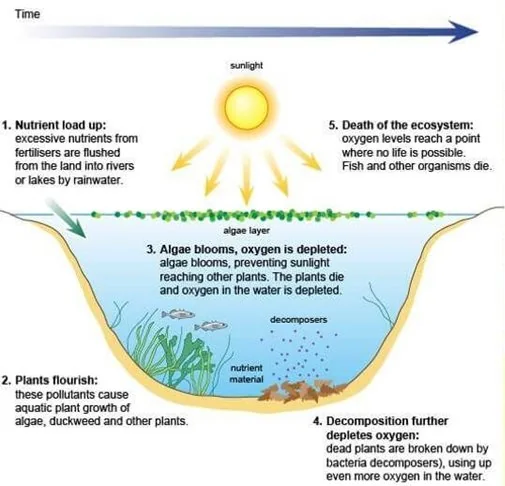
- Dense Surface Scums
- Blooms form thick mats that block sunlight, affecting submerged aquatic vegetation.
- Disrupts photosynthesis of native plants, impacting lake productivity and ecological balance.
- Fish Mortality
- Euglenoid masses clog fish gills, suffocating them.
- Some species release toxins such as euglenophycin, causing direct mortality or weakening the food chain.
- Aesthetic and Cultural Degradation
- Foul odours, discolouration, and scum layers degrade:
- Religious and cultural value of temple tanks and community ponds
- Tourism and recreational use of lakes
- Water Treatment Challenges
- Blooms clog filtration systems, impart bad taste and odour.
- Increase the cost and complexity of treating water for domestic and drinking use.
- Threat to Aquaculture
- Blooms reduce water quality and disrupt fish health in aquaculture ponds.
- Associated with toxic alkaloids that harm fish stock and reduce farm income.
- Documented economic losses in India due to such bloom events in the 21st century.
IMPORTANCE OF ECOLOGICAL UNDERSTANDING
Gaps in Scientific Knowledge:
- Limited research on euglenoid ecology, especially in India.
- Need to understand:
- Seasonal abundance
- Toxin production
- Response to pH, temperature, and nutrient levels
Importance of Monitoring:
- Regular microscopic water quality analysis
- Long-term ecological assessments of urban water bodies
- Public awareness on recognizing signs of ecosystem stress (e.g., red-coloured water)
The Indian Urban Context
- Urban water bodies are:
- Heavily polluted due to untreated sewage and solid waste
- Nutrient-rich, making them ideal for Euglenophyte proliferation
- These organisms have become bio-indicators of ecological degradation in Indian cities
Specific Impacts in India:
- Signal of organic pollution and sewage contamination
- Oxygen depletion, affecting fish and aquatic biodiversity
- Surface mats block light and ruin aesthetics
- Filter clogging in decentralized water treatment units
- Community disconnection from water bodies due to foul smell and poor visual quality
RED WATER AS A BIOLOGICAL RED FLAG
- Much like a red traffic light, red water signals “stop and take action”.
- It is a visible symptom of deeper ecological problems, often linked to:
- Urbanisation
- Poor wastewater management
- Eutrophication from unchecked nutrient input
WAY FORWARD: POLICY + ACTION
Immediate Actions Needed:
- Strengthen sewage and waste management
- Implement regular monitoring of algal communities
- Use ecosystem-based restoration (e.g., constructed wetlands, native aquatic plants)
- Promote citizen science and awareness
- Revive ecological research in academic institutions
Policy Measures:
- Mandate microscopic and chemical analysis in urban lake management
- Implement urban lake protection policies with clear accountability
- Integrate waterbody health indicators into urban planning and smart city initiatives
- Prelims: Key facts, institutions, locations and terminology in the article.
- Mains: Connect the topic with Environment, Economy, Polity & Governance.
- Revision: Use the article headings to prepare concise notes and answer-writing points.
Test your understanding
Questions from this article
Prelims practiceWith reference to RED ALGAL BLOOMS IN INDIAN WATER BODIES, consider the following statements:
- Red algal blooms are visible discolorations (red or pink) of water surfaces caused by microscopic photosynthetic organisms.
- In Indian water bodies, these blooms are often not true algae but caused by Euglenophytes, specifically the genus Euglena and its relatives.
- These microorganisms thrive in stagnant, nutrient-rich, oxygen-depleted waters, especially in urban and peri-urban lakes, ponds, ditches, and temple tanks.
Which of the statements given above are correct?
- 1 and 2 only
- 2 and 3 only
- 1 and 3 only
- 1, 2 and 3
View answer
Answer: (d) 1, 2 and 3. All three statements are drawn from the article.
Mains practiceDiscuss the background, key issues and significance of RED ALGAL BLOOMS IN INDIAN WATER BODIES for India.
Answer in 250 words.
View answer approach
- What Are Red Algal Blooms?
- ABOUT EUGLENOPHYTES
- WHY DOES THE WATER TURN RED?
- NEGATIVE IMPACTS
- IMPORTANCE OF ECOLOGICAL UNDERSTANDING
Frequently asked questionsFrequently asked questions
Why is Red Algal Blooms In Indian Water Bodies in the news?
Red algal blooms are visible discolorations (red or pink) of water surfaces caused by microscopic photosynthetic organisms. In Indian water bodies, these blooms are often not true algae but caused by Euglenophytes, specifically the genus Euglena and its relatives.
What are the key facts about Red Algal Blooms In Indian Water Bodies?
These microorganisms thrive in stagnant, nutrient-rich, oxygen-depleted waters, especially in urban and peri-urban lakes, ponds, ditches, and temple tanks. ABOUT EUGLENOPHYTES Feature Details Scientific Group Euglenophyta Organism Type Unicellular, flagellated protists Common Genera in India Euglena, Phacus, Trachelomonas species Habitats Stagnant freshwater, ditches, lakes with poor circulation Feeding Mechanism… The red or pink coloration of the water during blooms is caused by astaxanthin, produced in high concentrations by certain Euglenophyte species.
Why is Red Algal Blooms In Indian Water Bodies important for UPSC preparation?
The topic connects current developments with Environment, Economy, Polity & Governance and is relevant for both objective revision and analytical answer writing.