UPSC Current Affairs
Japan's Deployment of Anti Ship Missiles On Kyushu Island
Japan plans to deploy long-range anti-ship missiles on Kyushu Island, part of efforts to strengthen defense against growing threats from China and North Korea. Deployment is part of Japan's strategy to bolster its defense and counter strike capabilities. This move is crucial for protecting Japan’s southwestern islands, which are vital to national security.
VRAuthor Desk
2 min read
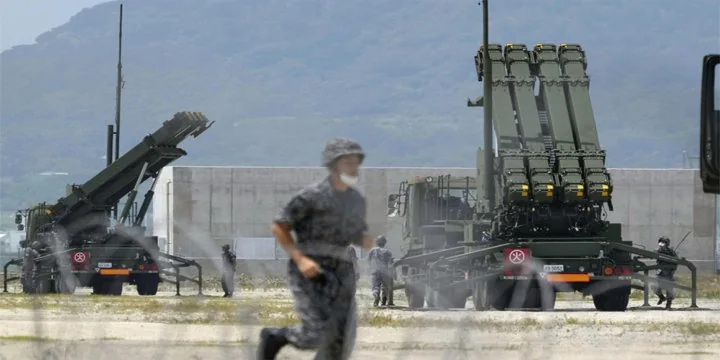
Japan plans to deploy long-range anti-ship missiles on Kyushu Island, part of efforts to strengthen defense against growing threats from China and North Korea. Deployment is part of Japan's strategy to bolster its defense and counter strike capabilities. This move is crucial for protecting Japan’s southwestern islands, which are vital to national security.
- Japan plans to deploy long-range anti-ship missiles on Kyushu Island, part of efforts to strengthen defense against growing threats from China and North Korea.
- Deployment is part of Japan's strategy to bolster its defense and counter strike capabilities.
- This move is crucial for protecting Japan’s southwestern islands, which are vital to national security.
REASONS FOR DEPLOYMENT
- China's Growing Military Presence: Increasing military activities in the East China Sea and tensions over Taiwan.
- North Korea's Threats: Nuclear and missile threats from North Korea have raised alarms.
- Kyushu's Strategic Location: The island's proximity to China and North Korea makes it vital for defense.
STRATEGIC IMPORTANCE OF KYUSHU ISLAND
- Geographical Significance:
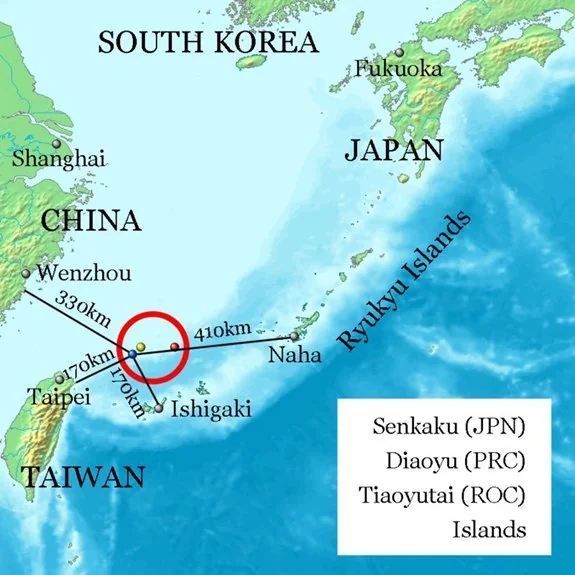
- Located in Japan’s southwestern region, close to the Nansei Islands, which form a defensive buffer zone.
- Vital for protecting against military threats from both China and North Korea.
- Proximity to Taiwan & China:
- Kyushu is positioned to guard against potential conflicts involving Taiwan, a hotspot of tension in East Asia.
ROLE OF LONG RANGE ANTI SHIP MISSILES
- Japan’s military strategy now emphasizes rapid, precise strikes in case of rising regional tensions.
- The deployment will primarily use the upgraded Type-12 Anti-Ship Missile System.
Type-12 Anti-Ship Missile Upgrades:
- Originally designed for coastal defense, the Type-12 missile has been enhanced for greater reach and stealth.
- Key Upgrades:
- Range: From 200 km (original) to up to 1,000 km, with plans to extend it to
1,200 km.
- Improved Stealth: Redesigned to evade enemy radar detection.
- Advanced Targeting: Enhanced guidance systems for precise targeting of enemy ships and facilities.
DEPLOYMENT LOCATIONS
The deployment will occur by
March 2026 at two key sites on
Kyushu:
- Yufu, Oita Prefecture
- Kumamoto City
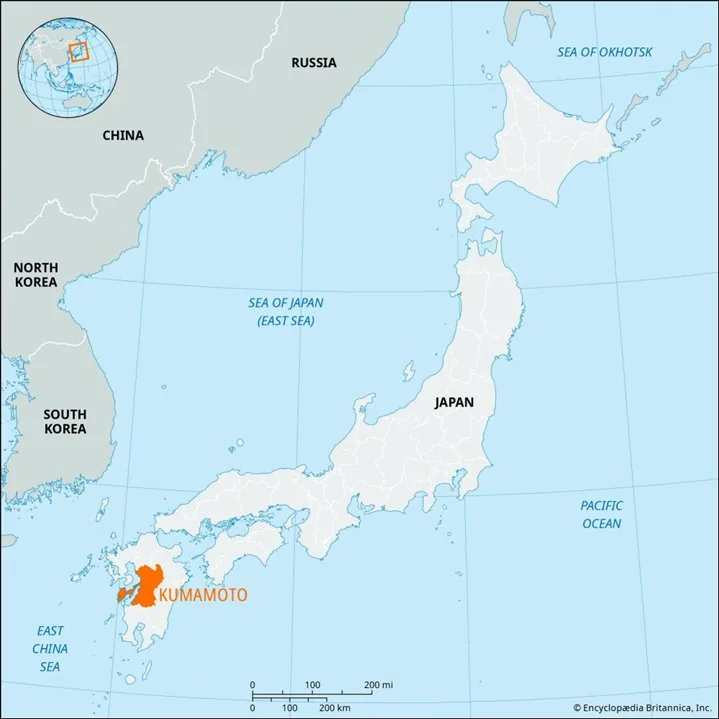
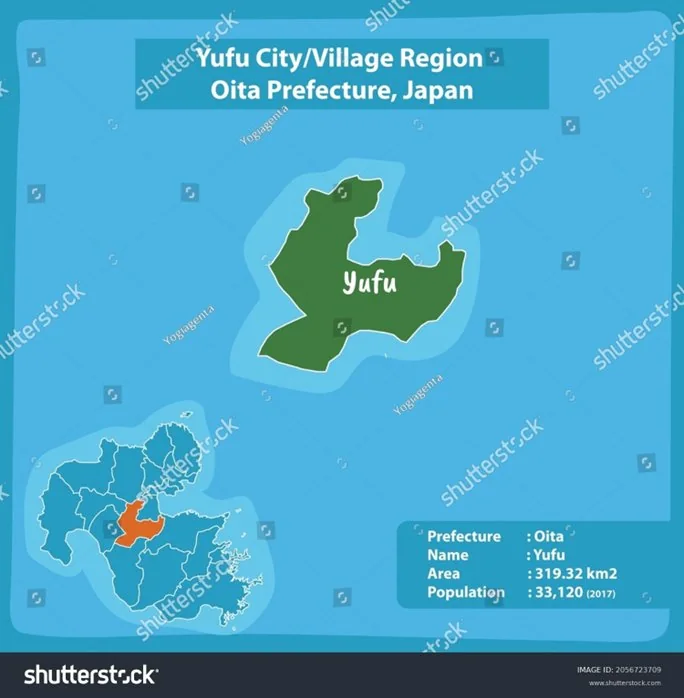
These locations are chosen to protect Japan’s southwestern maritime approach, particularly in the
East China Sea.
JAPAN’S BROADER DEFENCE STRATEGY
- Counterstrike and Deterrence:
- Japan aims to maintain a credible deterrent against regional adversaries with its enhanced missile capabilities.
- Strengthening Alliances:
- Japan's military modernization reflects its commitment to strong defense ties, especially with the United States, in response to China’s rising military assertiveness.
CONCLUSION
Japan’s missile deployment on
Kyushu Island marks a significant step toward
strengthening national defense in light of threats from
China and
North Korea. The upgraded
Type-12 missiles will allow Japan to protect its southwestern islands, deter military aggression, and ensure stability in the
Indo-Pacific region.
- Prelims: Key facts, institutions, locations and terminology in the article.
- Mains: Connect the topic with Economy, Defence, Polity & Governance.
- Revision: Use the article headings to prepare concise notes and answer-writing points.
Test your understanding
Questions from this article
Prelims practiceWith reference to Japan's Deployment of Anti Ship Missiles On Kyushu Island, consider the following statements:
- Japan plans to deploy long-range anti-ship missiles on Kyushu Island, part of efforts to strengthen defense against growing threats from China and North Korea.
- Deployment is part of Japan's strategy to bolster its defense and counter strike capabilities.
- This move is crucial for protecting Japan’s southwestern islands, which are vital to national security.
Which of the statements given above are correct?
- 1 and 2 only
- 2 and 3 only
- 1 and 3 only
- 1, 2 and 3
View answer
Answer: (d) 1, 2 and 3. All three statements are drawn from the article.
Mains practiceDiscuss the background, key issues and significance of Japan's Deployment of Anti Ship Missiles On Kyushu Island for India.
Answer in 250 words.
View answer approach
- REASONS FOR DEPLOYMENT
- STRATEGIC IMPORTANCE OF KYUSHU ISLAND
- ROLE OF LONG RANGE ANTI SHIP MISSILES
- Type-12 Anti-Ship Missile Upgrades:
- JAPAN’S BROADER DEFENCE STRATEGY
Frequently asked questionsFrequently asked questions
Why is Japan'S Deployment Of Anti Ship Missiles On Kyushu Island in the news?
Japan plans to deploy long-range anti-ship missiles on Kyushu Island, part of efforts to strengthen defense against growing threats from China and North Korea. Deployment is part of Japan's strategy to bolster its defense and counter strike capabilities.
What are the key facts about Japan'S Deployment Of Anti Ship Missiles On Kyushu Island?
This move is crucial for protecting Japan’s southwestern islands, which are vital to national security. REASONS FOR DEPLOYMENT China's Growing Military Presence: Increasing military activities in the East China Sea and tensions over Taiwan. North Korea's Threats: Nuclear and missile threats from North Korea have raised alarms.
Why is Japan'S Deployment Of Anti Ship Missiles On Kyushu Island important for UPSC preparation?
The topic connects current developments with Economy, Defence, Polity & Governance and is relevant for both objective revision and analytical answer writing.