UPSC Current Affairs
INDIA’S FIRST SUSTAINABLE AVIATION FUEL PLAN
INDIA’S FIRST SUSTAINABLE AVIATION FUEL PLANT Context On August 18, 2025, Indian Oil Corporation (IOC) announced that its Panipat refinery will begin commercial-scale production of Sustainable Aviation Fuel (SAF) by December 2025. The project marks a major step in India’s green transition in aviation fuel and supports global decarbonisation goals. SAF is a biofuel made from sustainable feedstocks (e.g.
VRAuthor Desk
2 min read
INDIA’S FIRST SUSTAINABLE AVIATION FUEL PLANT Context On August 18, 2025, Indian Oil Corporation (IOC) announced that its Panipat refinery will begin commercial-scale production of Sustainable Aviation Fuel (SAF) by December 2025. The project marks a major step in India’s green transition in aviation fuel and supports global decarbonisation goals. SAF is a biofuel made from sustainable feedstocks (e.g.
INDIA’S FIRST SUSTAINABLE AVIATION FUEL PLANT
Context
- On August 18, 2025, Indian Oil Corporation (IOC) announced that its Panipat refinery will begin commercial-scale production of Sustainable Aviation Fuel (SAF) by December 2025.
- The project marks a major step in India’s green transition in aviation fuel and supports global decarbonisation goals.
WHAT IS SAF?
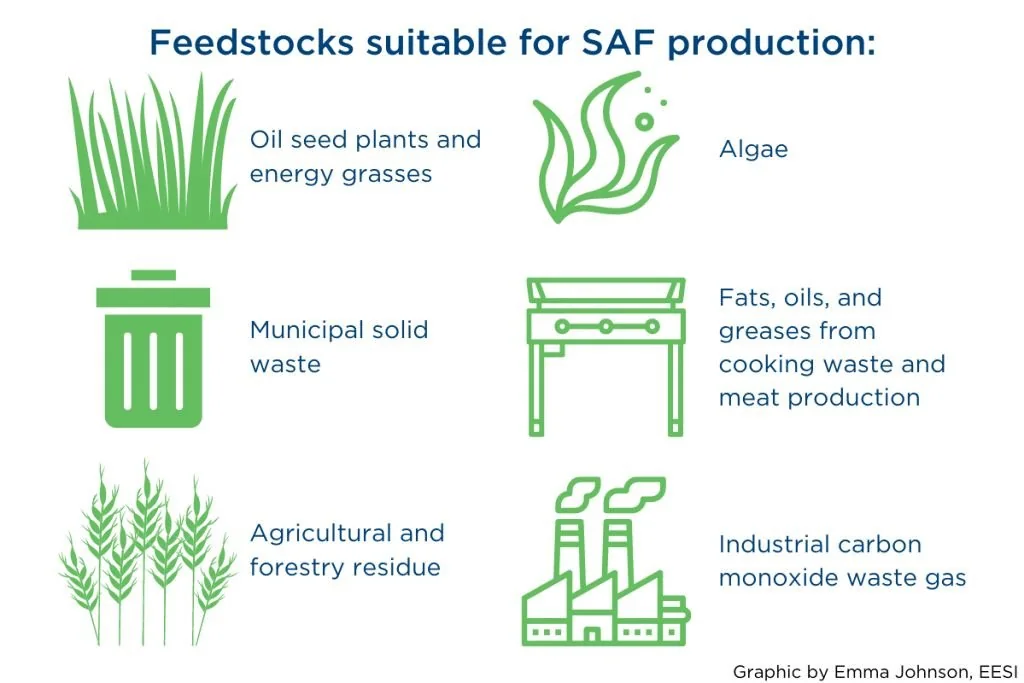
- SAF is a biofuel made from sustainable feedstocks (e.g. used cooking oil, agricultural waste, ethanol).
- It is like conventional aviation turbine fuel (ATF) and can be used in current aircraft engines.
- Airbus and others claim their aircraft can fly on up to 50% SAF-ATF blends.
KEY HIGHLIGHTS OF THE PROGRAM
- Location: Panipat Refinery, Haryana
- Production capacity: 35,000 tonnes/year SAF from used cooking oil (UCO)
- Feedstock Sources: Major restaurant chains, hotels, food companies (e.g. Haldiram’s)
- Challenge: Collection from small users and households
CERTIFICATIONS & COMPLIANCE
- IOC is the first Indian company to receive ISCC CORSIA certification.
- ISCC CORSIA: A globally recognized sustainability certification required for SAF under:
CORSIA (Carbon Offsetting and Reduction Scheme for International Aviation).
-
- This certification authorizes commercial SAF production and sets a benchmark for other Indian refiners.
GLOBAL & NATIONAL RELEVANCE
- CORSIA Compliance:
- From 2027, international airlines must offset CO2 emissions beyond 2020 levels.
- SAF blending is a key method to comply.
- India’s SAF Blending Targets (set by the National Biofuel Coordination Committee):
- 1% by 2027 (international flights)
- 2% by 2028
- Potential Buyers: European airlines (already subject to SAF mandates)
- Export Prospects: SAF demand is expected to surge globally in the coming years.
FUTURE PATHWAYS
- Used Cooking Oil Pathway: Certified and ready for launch
- Alcohol-to-Jet Pathway: IOC developing plants using ethanol to produce SAF
- Multiple SAF Pathways Under Development: Other Indian companies are also setting up SAF units (need certifications before operations begin)
ECONOMIC & POLICY CHALLENGES
- High production cost: SAF currently costs 3x more than conventional jet fuel.
- Airline Resistance: Concerns about fuel cost escalation
- Domestic SAF Mandates: Government likely to wait until 2027 or later to mandate SAF for domestic flights
WHY THIS MATTERS?
- Decarbonising Aviation: SAF could contribute 60% of the global aviation sector’s emissions reduction.
- Circular Economy: Utilizes waste (used cooking oil) for energy production.
- Energy Security: Reduces dependency on fossil fuels; aligns with India’s Net Zero 2070 goals.
- Green Diplomacy: Positions India as a potential SAF exporter, strengthening international partnerships in climate action.
- Prelims: Key facts, institutions, locations and terminology in the article.
- Mains: Connect the topic with Environment, Economy, Polity & Governance.
- Revision: Use the article headings to prepare concise notes and answer-writing points.
Test your understanding
Questions from this article
Prelims practiceWith reference to INDIA’S FIRST SUSTAINABLE AVIATION FUEL PLAN, consider the following statements:
- On August 18, 2025, Indian Oil Corporation (IOC) announced that its Panipat refinery will begin commercial-scale production of Sustainable Aviation Fuel (SAF) by December 2025.
- The project marks a major step in India’s green transition in aviation fuel and supports global decarbonisation goals.
- SAF is a biofuel made from sustainable feedstocks (e.g. used cooking oil, agricultural waste, ethanol).
Which of the statements given above are correct?
- 1 and 2 only
- 2 and 3 only
- 1 and 3 only
- 1, 2 and 3
View answer
Answer: (d) 1, 2 and 3. All three statements are drawn from the article.
Mains practiceDiscuss the background, key issues and significance of INDIA’S FIRST SUSTAINABLE AVIATION FUEL PLAN for India.
Answer in 250 words.
View answer approach
- INDIA’S FIRST SUSTAINABLE AVIATION FUEL PLANT
- WHAT IS SAF?
- KEY HIGHLIGHTS OF THE PROGRAM
- CERTIFICATIONS & COMPLIANCE
- GLOBAL & NATIONAL RELEVANCE
Frequently asked questionsFrequently asked questions
Why is India’S First Sustainable Aviation Fuel Plan in the news?
INDIA’S FIRST SUSTAINABLE AVIATION FUEL PLANT Context On August 18, 2025, Indian Oil Corporation (IOC) announced that its Panipat refinery will begin commercial-scale production of Sustainable Aviation Fuel (SAF) by December 2025. The project marks a major step in India’s green transition in aviation fuel and supports global decarbonisation goals.
What are the key facts about India’S First Sustainable Aviation Fuel Plan?
SAF is a biofuel made from sustainable feedstocks (e.g. used cooking oil, agricultural waste, ethanol). It is like conventional aviation turbine fuel (ATF) and can be used in current aircraft engines.
Why is India’S First Sustainable Aviation Fuel Plan important for UPSC preparation?
The topic connects current developments with Environment, Economy, Polity & Governance and is relevant for both objective revision and analytical answer writing.