UPSC Current Affairs
Healthcare During Colonial Period
Colonial Era (during British rule) and the Post-Independence Era (after 1947) were two important periods in the development of health care in India. Colonial Era (British Rule) – Introduction of Western Medicin INTRODUCTION OF WESTERN MEDICINE Western Influence: During British rule, India began to use Western medicine, which was different from traditional Indian medicine systems like Ayurveda and Unani. The British brought their way of treating diseases using modern science, including medicines, surgeries, and hygiene.
VRAuthor Desk
2 min read
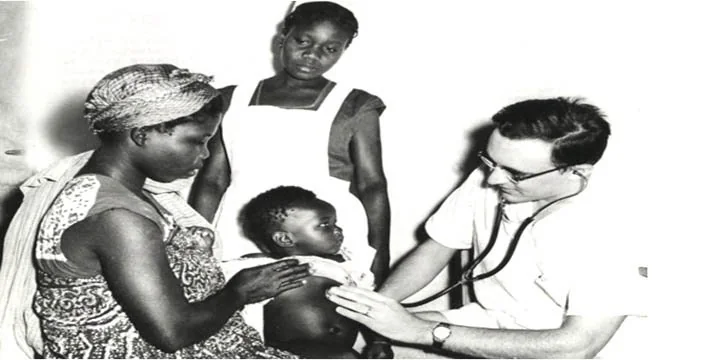
Colonial Era (during British rule) and the Post-Independence Era (after 1947) were two important periods in the development of health care in India. Colonial Era (British Rule) – Introduction of Western Medicin INTRODUCTION OF WESTERN MEDICINE Western Influence: During British rule, India began to use Western medicine, which was different from traditional Indian medicine systems like Ayurveda and Unani. The British brought their way of treating diseases using modern science, including medicines, surgeries, and hygiene.
Colonial Era (during British rule) and the
Post-Independence Era (after 1947) were
two important periods in the development of health care in India. Colonial Era (British Rule) – Introduction of Western Medicin
INTRODUCTION OF WESTERN MEDICINE
- Western Influence: During British rule, India began to use Western medicine, which was different from traditional Indian medicine systems like Ayurveda and Unani.
- The British brought their way of treating diseases using modern science, including medicines, surgeries, and hygiene.
- Missionaries and Doctors: Christian missionaries helped introduce Western medicine, especially in places like Goa, where they started hospitals.
- They also trained some local people in taking care of the sick.
- Change in Practices: While Ayurveda and other traditional medicines were still used, Western medical practices became more popular, especially in big cities and among the educated.
ESTABLISHMENT OF MEDICAL COLLEGES & HOSPITALS
- First Medical College: The Calcutta Medical College was founded in 1835 and was the first medical school in India to teach modern medicine.
- This college trained doctors in Western medicine and played a key role in spreading modern medical knowledge.
- Other Medical Colleges: After the success of Calcutta Medical College, other medical colleges were set up in cities like Madras (now Chennai) and Bombay (now Mumbai).
- Hospitals: The British also established hospitals in India, which followed the Western model of care.
- These hospitals included treatment for diseases like malaria, cholera, and smallpox, and focused on hygiene and surgery.
- The Royal Hospital in Goa (founded by the Portuguese in 1510) was one of the first to bring modern medical practices to India.
PUBLIC HEALTH CHALLENGES
- Famines: India faced many famines under British rule, especially in the 19th century. The British policies, like unfair land taxes, led to food shortages, causing widespread hunger and death.
- The Great Bengal Famine (1943) is one of the worst famines in India’s history, killing over 3 million people. These famines highlighted the need for better food security, nutrition, and health care in India, which were largely ignored during British rule.
- Epidemics:
- Plague: The bubonic plague spread in India, particularly in Bombay in the late 1800s, causing widespread death.
- The British government tried to control it with quarantine measures, but it showed how weak the public health system was at the time.
- Cholera: Cholera outbreaks were common in India during British rule, caused by dirty water and poor sanitation.
- Smallpox: The British introduced smallpox vaccination in the 19th century, but it took a long time for vaccination programs to reach everyone in India.
- Prelims: Key facts, institutions, locations and terminology in the article.
- Mains: Connect the topic with Economy, Polity & Governance, Health.
- Revision: Use the article headings to prepare concise notes and answer-writing points.
Test your understanding
Questions from this article
Prelims practiceWith reference to Healthcare During Colonial Period, consider the following statements:
- Western Influence: During British rule, India began to use Western medicine, which was different from traditional Indian medicine systems like Ayurveda and Unani.
- The British brought their way of treating diseases using modern science, including medicines, surgeries, and hygiene.
- Missionaries and Doctors: Christian missionaries helped introduce Western medicine, especially in places like Goa, where they started hospitals.
Which of the statements given above are correct?
- 1 and 2 only
- 2 and 3 only
- 1 and 3 only
- 1, 2 and 3
View answer
Answer: (d) 1, 2 and 3. All three statements are drawn from the article.
Mains practiceDiscuss the background, key issues and significance of Healthcare During Colonial Period for India.
Answer in 250 words.
View answer approach
- INTRODUCTION OF WESTERN MEDICINE
- ESTABLISHMENT OF MEDICAL COLLEGES & HOSPITALS
- PUBLIC HEALTH CHALLENGES
- Note:
Frequently asked questionsFrequently asked questions
Why is Healthcare During Colonial Period in the news?
Colonial Era (during British rule) and the Post-Independence Era (after 1947) were two important periods in the development of health care in India. Colonial Era (British Rule) – Introduction of Western Medicin INTRODUCTION OF WESTERN MEDICINE Western Influence: During British rule, India began to use Western medicine, which was different from traditional Indian medicine systems like Ayurveda and Unani.
What are the key facts about Healthcare During Colonial Period?
The British brought their way of treating diseases using modern science, including medicines, surgeries, and hygiene. Missionaries and Doctors: Christian missionaries helped introduce Western medicine, especially in places like Goa, where they started hospitals. They also trained some local people in taking care of the sick.
Why is Healthcare During Colonial Period important for UPSC preparation?
The topic connects current developments with Economy, Polity & Governance, Health and is relevant for both objective revision and analytical answer writing.