UPSC Current Affairs
FLOODS IN PUNJAB
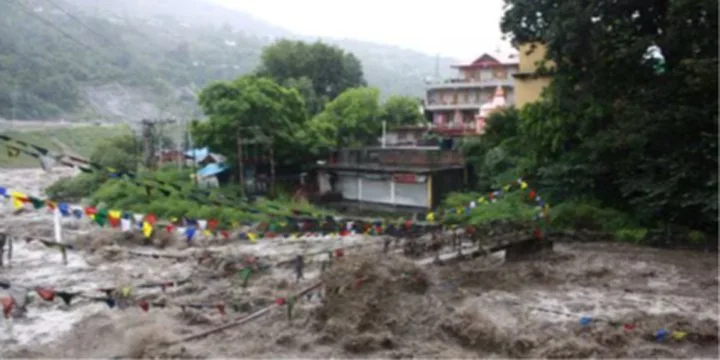
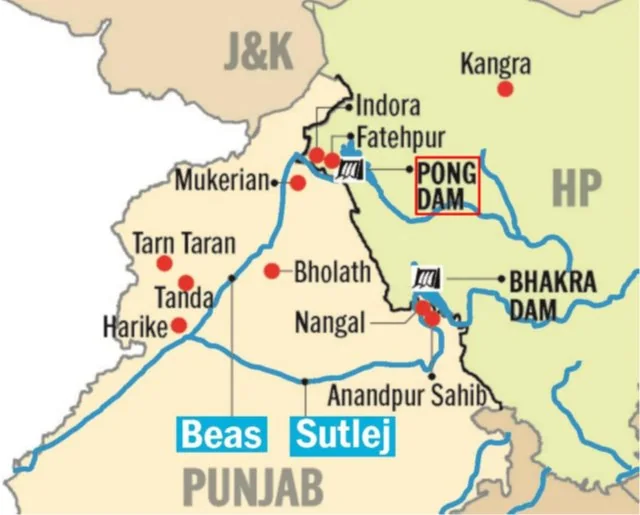
Context: Punjab faced severe flooding in July–September 2025 due to unprecedented inflows into the Beas River, especially from its catchment area in Himachal Pradesh. The Bhakra Beas Management Board (BBMB) was forced to release water downstream, triggering a political and administrative debate on flood management and inter-state coordination. KEY FACTS & DATA Category Details Rivers Affected - Beas River (main cause of flooding) - Sutlej River (also saw high inflow but less critical) Dams Involved - Pong Dam (on Beas River) - Bhakra Dam (on Sutlej River) Beas River Inflow (2025) 11.70 BCM (Highest…
VRAuthor Desk
3 min read
Context: Punjab faced severe flooding in July–September 2025 due to unprecedented inflows into the Beas River, especially from its catchment area in Himachal Pradesh. The Bhakra Beas Management Board (BBMB) was forced to release water downstream, triggering a political and administrative debate on flood management and inter-state coordination. KEY FACTS & DATA Category Details Rivers Affected - Beas River (main cause of flooding) - Sutlej River (also saw high inflow but less critical) Dams Involved - Pong Dam (on Beas River) - Bhakra Dam (on Sutlej River) Beas River Inflow (2025) 11.70 BCM (Highest…
Context:
- Punjab faced severe flooding in July–September 2025 due to unprecedented inflows into the Beas River, especially from its catchment area in Himachal Pradesh.
- The Bhakra Beas Management Board (BBMB) was forced to release water downstream, triggering a political and administrative debate on flood management and inter-state coordination.
KEY FACTS & DATA
| Category |
Details |
| Rivers Affected |
- Beas River (main cause of flooding)
- Sutlej River (also saw high inflow but less critical) |
| Dams Involved |
- Pong Dam (on Beas River)
- Bhakra Dam (on Sutlej River) |
| Beas River Inflow (2025) |
11.70 BCM (Highest ever recorded inflow) |
| Pong Dam Storage Capacity |
5.5 BCM only
Could not handle 11.7 BCM inflow, hence water had to be released downstream |
| Previous Beas Inflow (for comparison) |
- 2023: 9.52 BCM
- 1988: 7.94 BCM
- 2019: 5.00 BCM
Shows how extreme the 2025 situation was |
| Bhakra Dam Inflow (2025) |
9.11 BCM
(High but not unprecedented — in 1988 and 2023, it was 9.52 and 9.45 BCM respectively) |
| Silt Accumulation (Bhakra) |
25% of dam's storage blocked by silt
? Reduces effective water-holding capacity |
WHAT MADE 2025 FLOODS SO SEVERE?
1. Unprecedented Rainfall
- The catchment areas in Himachal Pradesh (which feed the Beas and Sutlej rivers) received exceptionally high rainfall, far above seasonal norms.
- This led to the highest-ever inflow in the Beas River — a record-breaking 11.70 BCM between July and early September.
2. Overwhelmed Dam Infrastructure
- The Pong Dam, with a capacity of only 5.5 BCM, was overwhelmed by the sudden inflow.
- The Bhakra Dam on Sutlej also received high inflow (9.11 BCM), though not unprecedented.
- With no room to store excess water, BBMB was forced to release it downstream, triggering floods in Punjab and parts of Himachal.
3. Reduced Storage Due to Silt
- Around 25% of Bhakra Dam’s capacity is now occupied by silt due to years of delayed desilting.
- Silt accumulation has significantly reduced the effective capacity of both dams, compromising their flood-control function.
- BBMB cited lack of coordination with partner states as the main obstacle to planned desilting.
4. Inadequate Flood Preparedness
- BBMB claimed it issued early warnings to partner states about water releases.
- However, state governments reportedly failed to reinforce embankments or improve local drainage, worsening the flood impact.
POLITICAL & INTERSTATE ISSUES
?? Allegations Against BBMB:
- Accused by Punjab and Himachal Pradesh political parties for releasing excess water without proper planning.
?? BBMB's Defense:
- Claimed releases were forecast-based and states were notified.
- Emphasized dams prevented early flooding in June.
?? Punjab vs. Haryana Water Dispute:
- Pre-monsoon: Punjab refused to share water from Bhakra, citing Haryana had used its share.
- BBMB clarified: Even if Punjab had released water earlier, it would have only reduced dam level by 3 feet, which was not significant.
DESILTING CHALLENGES
- Problem: Dam capacities reduced due to silt.
- Obstacle: Desilting requires dams to be emptied.
- State Inaction: Himachal Pradesh’s mining department objected to dam emptying earlier.
- Recent Development: Himachal has now agreed to cooperate.
SUGGESTIONS FOR IMPROVEMENT
| Recommendation |
Explanation |
| Create a National Dam Desiltation Policy |
To ensure consistent action across states |
| Review BBMB Protocols |
Include third-party audits and public transparency reports |
| Strengthen River Embankments |
States must identify vulnerable areas and act before monsoon |
| Use Satellite Monitoring |
For real-time silt and inflow tracking |
| Public Awareness & Evacuation Plans |
Must be standardized in flood-prone districts |
- Prelims: Key facts, institutions, locations and terminology in the article.
- Mains: Connect the topic with Environment, Economy, Polity & Governance.
- Revision: Use the article headings to prepare concise notes and answer-writing points.
Test your understanding
Questions from this article
Prelims practiceWith reference to FLOODS IN PUNJAB, consider the following statements:
- Punjab faced severe flooding in July–September 2025 due to unprecedented inflows into the Beas River, especially from its catchment area in Himachal Pradesh.
- The Bhakra Beas Management Board (BBMB) was forced to release water downstream, triggering a political and administrative debate on flood management and inter-state coordination.
- The catchment areas in Himachal Pradesh (which feed the Beas and Sutlej rivers) received exceptionally high rainfall, far above seasonal norms.
Which of the statements given above are correct?
- 1 and 2 only
- 2 and 3 only
- 1 and 3 only
- 1, 2 and 3
View answer
Answer: (d) 1, 2 and 3. All three statements are drawn from the article.
Mains practiceDiscuss the background, key issues and significance of FLOODS IN PUNJAB for India.
Answer in 250 words.
View answer approach
- Context:
- KEY FACTS & DATA
- WHAT MADE 2025 FLOODS SO SEVERE?
- POLITICAL & INTERSTATE ISSUES
- Allegations Against BBMB:
Frequently asked questionsFrequently asked questions
Why is Floods In Punjab in the news?
Context: Punjab faced severe flooding in July–September 2025 due to unprecedented inflows into the Beas River, especially from its catchment area in Himachal Pradesh. The Bhakra Beas Management Board (BBMB) was forced to release water downstream, triggering a political and administrative debate on flood management and inter-state coordination.
What are the key facts about Floods In Punjab?
KEY FACTS & DATA Category Details Rivers Affected - Beas River (main cause of flooding) - Sutlej River (also saw high inflow but less critical) Dams Involved - Pong Dam (on Beas River) - Bhakra Dam (on Sutlej River) Beas River Inflow (2025) 11.70 BCM (Highest… Reduces effective water-holding capacity WHAT MADE 2025 FLOODS SO SEVERE? Unprecedented Rainfall The catchment areas in Himachal Pradesh (which feed the Beas and Sutlej rivers) received exceptionally high rainfall, far above seasonal norms.
Why is Floods In Punjab important for UPSC preparation?
The topic connects current developments with Environment, Economy, Polity & Governance and is relevant for both objective revision and analytical answer writing.