UPSC Current Affairs
EUTHANASIA
constitute a primary medical board to examine the option of passive euthanasia for a 31-year-old who has been in a vegetative state for over a decade because of quadriplegia. The word ‘Euthanasia’ is derived from the Greek, ‘Eu’ meaning ‘good’ and ‘thanatos’ meaning ‘death’, put together it means ‘good death’. Euthanasia is defined as the hastening of death of a patient to prevent further sufferings.
VRAuthor Desk
2 min read
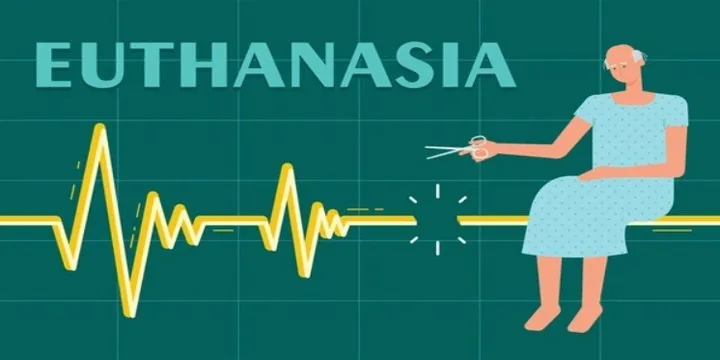
constitute a primary medical board to examine the option of passive euthanasia for a 31-year-old who has been in a vegetative state for over a decade because of quadriplegia. The word ‘Euthanasia’ is derived from the Greek, ‘Eu’ meaning ‘good’ and ‘thanatos’ meaning ‘death’, put together it means ‘good death’. Euthanasia is defined as the hastening of death of a patient to prevent further sufferings.
constitute a primary medical board to examine the option of
passive euthanasia for a 31-year-old who has been in a vegetative state for over a decade because of
quadriplegia.
WHAT IS EUTHANASIA?
The word ‘Euthanasia’ is derived from the Greek,
‘Eu’ meaning ‘good’ and
‘thanatos’ meaning ‘death’, put together it means
‘good death’.
Euthanasia is defined as the
hastening of death of a patient to prevent further sufferings.
TYPES
- Active euthanasia refers to the physician's deliberate act, usually the administration of lethal drugs, to end an incurably or terminally ill patient’s life. There are three types of active euthanasia in relation to giving consent for euthanasia, namely
- voluntary euthanasia – at patient request,
- non-voluntary – without patient consent,
- involuntary euthanasia – the patient is not in a position to give consent.
- Passive euthanasia refers to withholding or withdrawing treatment which is necessary for maintaining life.
Legality:
Passive euthanasia is generally accepted worldwide. Active involuntary euthanasia is illegal in almost all countries. It is considered criminal homicide in most of the countries.
LEGALITY IN INDIA
- Passive Euthanasia:
- A five-judge bench of the Supreme Court in Common Cause vs. Union of India (2018) recognised a person’s right to die with dignity.
- It said that a terminally ill person can opt for passive euthanasia and execute a living will to refuse medical treatment.
- The Court permitted an individual to draft a living will specifying that she or he will not be put on life support if they slip into an incurable coma.
- The Court recognised the right to die with dignity as a fundamental right and an aspect of Article 21 (Right to Life).
- Active euthanasia: In India, active euthanasia is a crime.
QUADRIPLEGIA
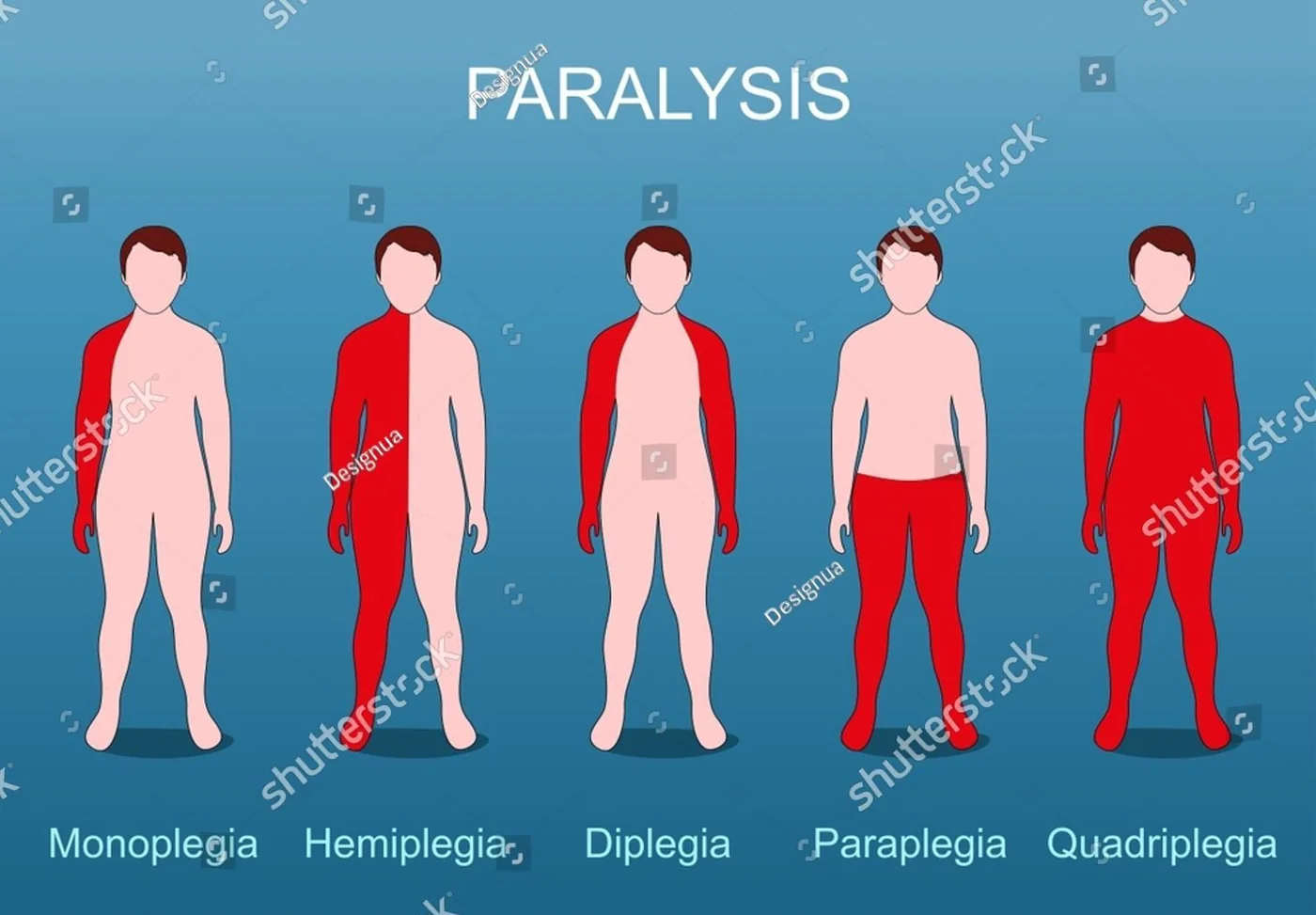
- Quadriplegia, or Tetraplegia, is a condition of paralysis that affects all the limbs and body from the neck to the down.
- The most common cause of quadriplegia is an injury to the spinal cord at the level of the neck.
- Quadriplegia is sometimes treatable, but in most cases injury results in permanent paralysis.
- Quadriplegia is when the person can’t deliberately control or move his muscles, and it can affect a person from the neck to down.
- Depending on how and why it happens, it can affect the ability to move parts of the body, as well as some of the body’s automatic processes that keep the person alive.
- Prelims: Key facts, institutions, locations and terminology in the article.
- Mains: Connect the topic with Polity & Governance.
- Revision: Use the article headings to prepare concise notes and answer-writing points.
Test your understanding
Questions from this article
Prelims practiceWith reference to EUTHANASIA, consider the following statements:
- Active euthanasia refers to the physician's deliberate act, usually the administration of lethal drugs, to end an incurably or terminally ill patient’s life. There are three types of active euthanasia in relation to…
- voluntary euthanasia – at patient request,
- non-voluntary – without patient consent,
Which of the statements given above are correct?
- 1 and 2 only
- 2 and 3 only
- 1 and 3 only
- 1, 2 and 3
View answer
Answer: (d) 1, 2 and 3. All three statements are drawn from the article.
Mains practiceDiscuss the background, key issues and significance of EUTHANASIA for India.
Answer in 250 words.
View answer approach
- TYPES
- LEGALITY IN INDIA
- QUADRIPLEGIA
Frequently asked questionsFrequently asked questions
Why is Euthanasia in the news?
constitute a primary medical board to examine the option of passive euthanasia for a 31-year-old who has been in a vegetative state for over a decade because of quadriplegia. The word ‘Euthanasia’ is derived from the Greek, ‘Eu’ meaning ‘good’ and ‘thanatos’ meaning ‘death’, put together it means ‘good death’.
What are the key facts about Euthanasia?
Euthanasia is defined as the hastening of death of a patient to prevent further sufferings. TYPES Active euthanasia refers to the physician's deliberate act, usually the administration of lethal drugs, to end an incurably or terminally ill patient’s life. There are three types of active euthanasia in relation to giving consent for euthanasia, namely voluntary euthanasia – at patient request, non-voluntary – without patient consent, involuntary euthanasia – the patient is not in a position to give consent.
Why is Euthanasia important for UPSC preparation?
The topic connects current developments with Polity & Governance and is relevant for both objective revision and analytical answer writing.